
Introduction: The Silent Heroes Beneath the Hood
When most people admire an automobile, they often marvel at its sleek bodywork, plush interiors, or the exhilarating feel of driving it. Rarely, however, do they pause to appreciate the intricate symphony of parts hidden beneath the gleaming exterior. Auto parts are the silent heroes of the automotive world—an elaborate network of components, each performing a vital role, working together to deliver motion, safety, and comfort. From the smallest spark plug to the complex transmission system, every part is a testament to human ingenuity and relentless engineering refinement.
A Brief Overview: What Makes a Car Whole
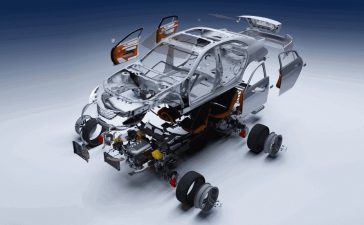
An automobile is a mechanical orchestra composed of thousands of parts, each essential to its overall performance. Broadly speaking, auto parts can be grouped into several main categories:
-
Powertrain Components: Engine, transmission, driveshaft, and differential
-
Electrical and Electronic Systems: Battery, alternator, sensors, and onboard computers
-
Suspension and Steering: Shock absorbers, control arms, steering racks
-
Braking Systems: Brake pads, rotors, calipers, and master cylinders
-
Body and Interior Parts: Doors, seats, dashboards, and infotainment units
-
Consumables: Filters, spark plugs, belts, and fluids
Each of these categories holds a universe of components that have evolved over decades of innovation and relentless pursuit of reliability.
The Heartbeat: Engine Parts That Power the Journey
The engine is often described as the heart of a car, and rightly so. Its parts convert fuel into motion through a series of controlled explosions and precision movements.
-
Pistons and Cylinders:
Within the engine block, pistons move up and down inside cylinders, compressing air and fuel before ignition. This motion turns linear energy into rotational force that drives the wheels. -
Crankshaft and Camshaft:
These crucial parts synchronize the engine’s moving components. The crankshaft transforms the pistons’ motion into rotational energy, while the camshaft controls the opening and closing of valves. -
Valvetrain Components:
Valves, lifters, and pushrods ensure the right mixture of air and fuel enters the combustion chamber while exhaust gases exit smoothly. -
Modern Innovations:
In today’s vehicles, turbochargers, direct fuel injection, and hybrid-electric systems work alongside traditional engine parts to boost efficiency and power while lowering emissions.
The Unsung Backbone: Transmission and Drivetrain
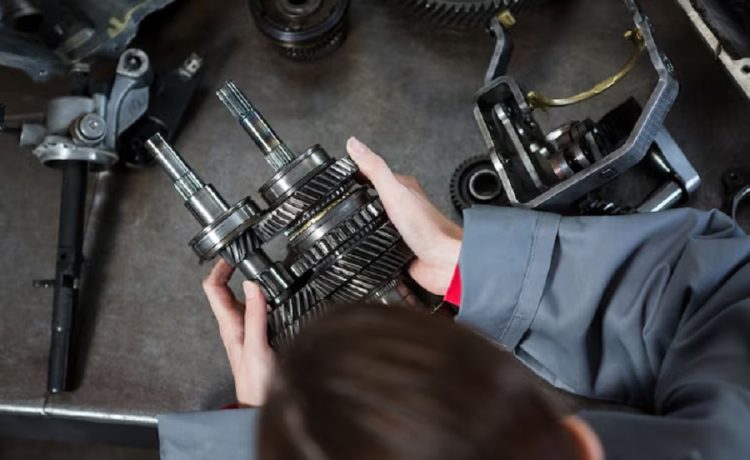
If the engine generates power, the transmission ensures that power reaches the wheels efficiently. It modulates torque and speed, allowing drivers to cruise smoothly at 20 mph in a crowded city or race down a highway at 70.
-
Manual and Automatic Transmissions:
Manual transmissions rely on the driver to shift gears using a clutch, while automatics use complex hydraulic and electronic systems to do so seamlessly. -
Driveshaft and Differentials:
These parts transfer torque from the transmission to the wheels, adjusting for turns and terrain changes. The differential is especially ingenious, allowing wheels to rotate at different speeds when cornering.
Staying Grounded: Suspension and Steering
No matter how powerful an engine is, a car’s true refinement is felt through its suspension and steering systems. These parts absorb road shocks and translate driver input into precise wheel movement.
-
Shock Absorbers and Struts:
These dampen the impact of potholes and uneven surfaces, ensuring a smoother ride. -
Control Arms and Ball Joints:
These connect the suspension to the chassis, allowing controlled up-and-down wheel movement. -
Steering Rack and Linkages:
Modern steering systems, often enhanced with electric power assist, provide responsiveness while minimizing driver fatigue.
Safety First: Braking Systems
A vehicle’s braking system is arguably its most critical safety feature. It comprises several parts that work together to convert kinetic energy into heat, bringing the car to a controlled stop.
-
Brake Pads and Rotors:
When the brake pedal is pressed, pads clamp onto rotors attached to the wheels, creating friction to slow them down. -
Calipers and Brake Lines:
Calipers house the pads and use hydraulic pressure to squeeze them against the rotors. -
Advanced Braking Aids:
Modern systems include ABS (Anti-lock Braking System) and EBD (Electronic Brakeforce Distribution) to prevent skidding and optimize stopping power.
Beyond the Mechanical: The Rise of Electronics
Today’s vehicles are more than mechanical marvels—they are rolling computers. Sensors, modules, and microchips monitor and control everything from engine performance to cabin temperature.
-
ECUs (Electronic Control Units):
Modern cars have multiple ECUs managing tasks like fuel injection, emissions control, and driver assistance. -
Safety Electronics:
Airbag sensors, traction control modules, and collision avoidance systems rely on precision electronics to protect occupants. -
Infotainment and Connectivity:
Touchscreens, GPS, and integrated smartphone systems have transformed dashboards into digital command centers.
Maintenance Matters: Why Quality Parts Count
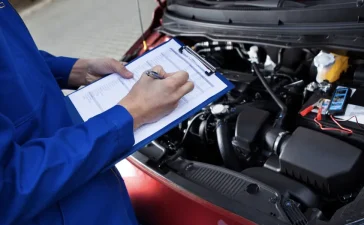
Using quality auto parts is not just about keeping a car running—it’s about extending its lifespan and ensuring safety.
-
Genuine vs. Aftermarket:
Genuine parts match the carmaker’s exact specifications, while high-quality aftermarket parts can offer cost-effective alternatives without compromising reliability. -
Regular Replacement:
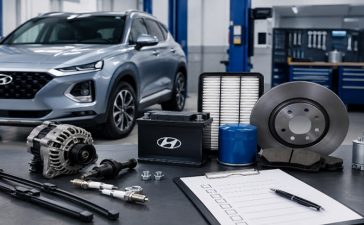
Filters, spark plugs, belts, and brake pads require routine replacement to maintain performance and efficiency. -
Sustainability and Recycling:
The rise of recycled and remanufactured parts reduces waste and environmental impact, proving that sustainability has found its way under the hood too.
Looking Ahead: The Future of Auto Parts
As the automotive industry shifts towards electrification and autonomy, auto parts are evolving at a breathtaking pace.
-
Battery Packs: EVs rely on massive, modular battery systems that demand advanced cooling and management systems.
-
Electric Motors: Replace traditional engines, offering instant torque and minimal moving parts.
-
Sensors and Lidar: Essential for self-driving technology, these parts scan surroundings and process vast amounts of real-time data.
-
Lightweight Materials: From carbon fiber to advanced alloys, modern parts focus on reducing weight to improve efficiency and range.
Conclusion: Appreciating the Invisible
Auto parts may not turn heads like a shiny new sports car, but they are the true essence of every vehicle. They represent decades of innovation, engineering mastery, and tireless pursuit of perfection. The next time you slide behind the wheel and turn the key—or press a button—spare a thought for the pistons, gears, sensors, and circuits that hum to life to carry you forward. For beneath every polished hood lies a world of parts working in harmony, turning human ambition into motion, mile after mile.