
When operating a motor vehicle at high speeds, control is the single most critical factor keeping drivers, passengers, and pedestrians safe. While engines provide the force necessary to move thousands of pounds of steel, the braking system performs an even more vital job: controlled kinetic energy dissipation. Every time a driver presses the brake pedal, hydraulic fluid squeezes friction material against a spinning metal disc to bring several tons of machinery to a complete stop within seconds.
Substandard or worn brake components turn everyday driving scenarios into high-risk events. Investing in premium brake components is not merely a vehicle maintenance choice; it is a critical safety decision that directly determines whether a vehicle can stop in time during an emergency.
The Mechanics of Braking and Thermal Energy Conversion
To understand why component quality matters, one must examine the physical environment inside a wheel assembly during braking. A vehicle moving at sixty miles per hour possesses tremendous kinetic energy. When the driver applies the brakes, the brake pads press against the brake rotor, creating intense friction. This friction converts kinetic energy into thermal energy, generating extreme temperatures that often reach six hundred to twelve hundred degrees Fahrenheit during hard braking stops.
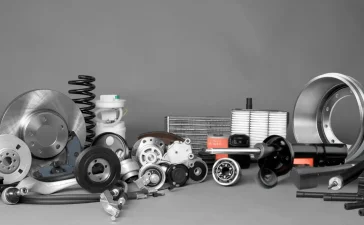
High-quality brake systems are engineered to withstand these harsh thermodynamic conditions repeatedly without structural failure or performance loss. The complete assembly relies on several interrelated components:
-
Brake Pads: The primary friction material that contacts the spinning rotor. High-grade pads utilize precise formulations of ceramic, metallic, or engineered synthetic compounds designed for consistent friction coefficient stability across wide temperature ranges.
-
Brake Rotors: Metal discs attached to the wheel hub that receive the clamping force of the pads. Premium rotors use specific gray iron metallurgy with carefully calculated carbon content to prevent cracking, minimize vibration, and optimize heat dissipation through internal ventilation vanes.
-
Brake Calipers: The hydraulic housings containing pistons that clamp the brake pads against the rotor. Precision-manufactured calipers ensure smooth piston movement and even pressure distribution across the pad surface.
-
Brake Lines and Fluid: Hydraulic lines deliver pressure from the master cylinder to the calipers. High-grade DOT-rated brake fluid resists boiling under extreme thermal loads, ensuring firm pedal feel and immediate pressure transfer.
If any single component in this chain fails to perform to original equipment manufacturer specifications, the effectiveness of the entire braking system declines rapidly.
The Hidden Dangers of Substandard and Counterfeit Brake Components
The automotive aftermarket offers a wide spectrum of replacement parts, ranging from high-tier premium equipment to low-cost budget alternatives. Low-priced brake components often cut corners in raw material selection, manufacturing tolerances, and quality testing procedures.
Choosing low-grade brake parts introduces severe performance risks that compromise road safety:
-
Brake Fade Under Thermal Stress: Low-cost friction materials lose their coefficient of friction rapidly as temperature rises. During repeated braking, such as driving down a steep mountain pass, cheap pads can glaze over or outgas, causing the pedal to feel spongy and dramatically reducing stopping power.
-
Pad Friction Layer Delamination: Inferior adhesive compounds or poor backing plate bonding can cause the friction pad material to detach entirely from the metal backing plate during hard application, leading to total mechanical failure.
-
Premature Rotor Warping: Low-grade rotors cast from inconsistent iron alloys expand unevenly when exposed to heat cycles. This leads to thickness variation across the rotor face, causing violent steering wheel pulsations and inconsistent brake application.
-
Hydraulic Vapor Lock: Poorly manufactured brake fluid or compromised hydraulic lines absorb moisture or boil at lower temperatures. Steam bubbles created in the hydraulic line compress easily, resulting in a sinking brake pedal and complete loss of clamping pressure.
These failure modes rarely provide advance warning. They occur precisely when the braking system is pushed to its maximum limit during emergency maneuvers.
Stopping Distance Physics and Critical Decision Time
In emergency braking situations, stopping distance is measured in feet, and outcomes are decided in fractions of a second. Total stopping distance consists of two distinct segments: perception-reaction distance and physical braking distance.
While reaction time depends on driver awareness, physical braking distance depends entirely on the friction coefficient generated between the tires and the road, as well as the clamping force and friction stability of the brake components.
Consider a standard passenger car traveling at sixty miles per hour. Under ideal conditions, a vehicle equipped with high-quality, properly bedded brake pads and rotors can stop in approximately one hundred and twenty to one hundred and thirty feet after the brakes are applied. In contrast, a vehicle equipped with worn or inferior friction pads exhibiting thermal fade can take an additional twenty to forty feet to come to a complete stop.
That extra forty feet represents the length of nearly three full car lengths. In a real-world scenario, those extra feet mark the clear difference between a successful emergency stop and a catastrophic high-speed impact with a stopped vehicle, obstacle, or pedestrian.
Modern Safety Systems and Their Dependence on Brake Integrity
Modern vehicles rely on sophisticated electronic safety systems designed to prevent skid events and maintain directional control. Features like Anti-lock Braking Systems, Electronic Stability Control, Traction Control, and Automatic Emergency Braking rely on the mechanical brake hardware to execute their life-saving adjustments.
-
Anti-lock Braking Systems: ABS modules pulse the hydraulic pressure to individual wheel calipers up to fifteen or twenty times per second to prevent wheel lockup during hard braking.
-
Electronic Stability Control: ESC selectively applies individual wheel brakes within milliseconds to counteract oversteer or understeer during sudden evasive steering maneuvers.
-
Automatic Emergency Braking: Forward-facing radar and camera systems detect imminent forward collisions and automatically command full hydraulic braking pressure without driver intervention.
These computerized safety modules make instant calculations assuming that the brake hardware will respond with precise, predictable friction levels. Inferior brake pads with inconsistent friction profiles or warped rotors with uneven surface contact impair the capability of electronic stability systems to stabilize the chassis during emergency evasive maneuvers.
Total Cost of Ownership: Safety as an Investment
While premium brake components carry a higher initial purchase price than budget alternatives, they deliver superior long-term financial value while ensuring driver safety. High-grade ceramic and metallic brake pads feature lower wear rates, producing minimal abrasive dust and extending pad lifespan significantly.
Furthermore, premium rotors manufactured with precision balancing and high carbon metallurgy resist thermal stress and surface wear, allowing them to outlast budget rotors by tens of thousands of miles. Budget brake components wear out rapidly, require frequent replacement, damage surrounding suspension hardware due to excessive vibration, and increase overall labor costs over the life of the vehicle.
Investing in top-tier brake hardware reduces long-term vehicle maintenance overhead while guaranteeing reliable stopping power when it matters most.
Frequently Asked Questions
What is the primary difference between ceramic, semi-metallic, and organic brake pads?
Ceramic brake pads utilize dense ceramic compounds mixed with copper or synthetic fibers, offering quiet operation, low dust, and exceptional longevity for daily commuting. Semi-metallic pads contain thirty to sixty percent metal fibers such as steel or iron, providing high thermal conductivity and superior stopping power under heavy towing or track conditions at the cost of higher noise and dust. Organic pads are made from non-metallic materials like glass, rubber, and resin, offering soft pedal feel but wearing out significantly faster under heat stress.
How often should automotive brake fluid be flushed and replaced?
Automotive manufacturers generally recommend flushing brake fluid every two years or twenty-four thousand miles, whichever comes first. Glycol-based brake fluid is hygroscopic, meaning it continually absorbs moisture from ambient air through microscopic pores in hydraulic hoses. Over time, absorbed water lowers the boiling point of the fluid and causes internal corrosion within calipers and master cylinders.
What causes squealing or grinding noises when applying the brakes?
High-pitched squealing is typically caused by built-in metal wear indicators contacting the rotor to alert the driver that pad thickness has reached a critical minimum level. It can also stem from vibration between the pad backing plate and caliper housing due to missing anti-rattle clips or lack of brake lubricant. A harsh metallic grinding noise indicates that the friction material is entirely worn away, causing the steel backing plate to grind directly against the cast iron rotor face.
Can upgrading to slotted or drilled brake rotors improve braking performance on daily drivers?
Slotted and drilled rotors are designed for performance applications to vent extreme heat, water, and friction gases generated during sustained high-speed driving. For everyday highway and city commuting, standard high-quality blank rotors generally provide superior durability, smoother pad contact, and lower noise levels, provided they are made from high-grade cast iron alloys.
How does driving through deep water or heavy rain affect short-term braking efficiency?
Water coating the surface of brake rotors creates a temporary lubricating layer that reduces the immediate friction coefficient when the pedal is pressed. Premium brake pads feature specialized pad face grooves designed to sweep water away rapidly, restoring full braking pressure within fractions of a second during wet weather driving.
What symptoms indicate that a brake caliper piston is sticking or seized?
A sticking brake caliper piston fails to retract fully when the brake pedal is released, causing continuous pad contact against the spinning rotor. Key symptoms include the vehicle pulling sharply to one side while driving, an intense burning odor coming from one wheel, excessive brake dust accumulation on a single wheel, and severe drag that degrades fuel economy.
How does carrying heavy cargo or towing trailers impact brake component lifespan?
Carrying heavy loads or towing trailers increases total vehicle mass, requiring significantly more kinetic energy to be converted into heat during deceleration. This elevated thermal load accelerates pad friction material consumption and increases thermal stress on rotors, making the use of heavy-duty, high-thermal-capacity brake components essential for towing applications.