
Why Knowing Your Auto Parts Matters
Owning a vehicle comes with responsibilities beyond simply filling the fuel tank. Understanding the function of essential auto parts helps drivers recognize potential issues early, communicate more effectively with technicians, and make informed maintenance decisions.
Even basic knowledge of vehicle components can reduce repair costs, improve safety, and extend the life of your automobile.
Engine Auto Parts
The engine contains many moving components that work together to generate power.
Some of the most important engine parts include:
- Air filters
- Oil filters
- Fuel injectors
- Spark plugs
- Timing belts
- Water pumps
- Radiators
- Thermostats
Replacing these parts according to maintenance schedules helps preserve engine efficiency and prevent overheating or mechanical failure.
Transmission Components
The transmission transfers engine power to the wheels.
Critical transmission parts include:
- Clutch assemblies
- Torque converters
- Gear sets
- Transmission filters
- Transmission fluid
- Solenoids
Proper maintenance ensures smooth gear changes and reduces unnecessary wear.
Brake System Essentials
Safe driving depends on responsive brakes.
Important brake components include:
- Brake pads
- Brake discs
- Brake calipers
- Brake cylinders
- Brake hoses
- Master cylinders
Regular brake inspections help prevent dangerous failures and costly repairs.
Steering and Suspension Parts
Vehicle handling relies on a properly functioning suspension system.
Common suspension auto parts include:
- Shocks
- Struts
- Sway bars
- Ball joints
- Control arms
- Tie rods
Worn suspension components often cause uneven tire wear, poor handling, and uncomfortable rides.
Electrical System Components
Modern vehicles use sophisticated electrical systems.
Major electrical auto parts include:
- Car batteries
- Alternators
- Starter motors
- Fuses
- Sensors
- Relays
- Ignition switches
Routine battery testing and charging system inspections reduce the likelihood of unexpected starting problems.
Cooling System Components
Overheating can severely damage an engine.
Important cooling system parts include:
- Radiator
- Water pump
- Cooling fan
- Radiator hoses
- Thermostat
- Coolant reservoir
Maintaining these components helps regulate engine temperature during all driving conditions.
Exhaust System Parts
The exhaust system improves engine efficiency while reducing emissions.
Key exhaust components include:
- Exhaust manifold
- Catalytic converter
- Muffler
- Oxygen sensors
- Exhaust pipes
A properly maintained exhaust system contributes to cleaner emissions and quieter operation.
Filters That Protect Your Vehicle
Several filters help maintain clean operating conditions.
These include:
- Engine oil filter
- Air filter
- Cabin air filter
- Fuel filter
- Transmission filter
Replacing filters regularly improves engine performance and protects sensitive components.
Common Reasons Auto Parts Wear Out
Vehicle components naturally wear over time due to:
- High mileage
- Extreme temperatures
- Poor road conditions
- Heavy towing
- Stop-and-go traffic
- Lack of maintenance
- Exposure to moisture and dirt
Routine inspections help identify worn parts before major failures occur.
Benefits of Preventive Replacement
Waiting until a part completely fails often increases repair costs.
Replacing aging components before failure offers several advantages:
- Improved reliability
- Better fuel efficiency
- Enhanced driving comfort
- Reduced emergency repairs
- Lower long-term maintenance costs
- Increased resale value
Preventive maintenance keeps vehicles dependable throughout their service life.
Choosing Reliable Auto Parts
Quality replacement parts provide better durability and performance.
When shopping for auto parts:
- Confirm vehicle compatibility.
- Compare product specifications.
- Choose trusted manufacturers.
- Review warranty coverage.
- Purchase from reputable suppliers.
Investing in dependable components provides greater peace of mind.
Conclusion
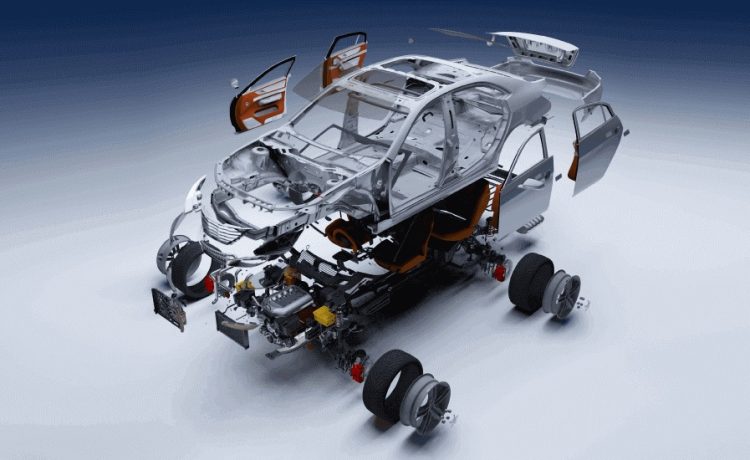
Understanding essential auto parts allows vehicle owners to make smarter maintenance decisions and avoid unnecessary repairs. Every component—from the engine and transmission to brakes, suspension, cooling, and electrical systems—plays a critical role in vehicle performance. Regular inspections, timely replacements, and high-quality parts help ensure dependable transportation and long-term reliability.