
The Importance of Choosing the Right Auto Parts
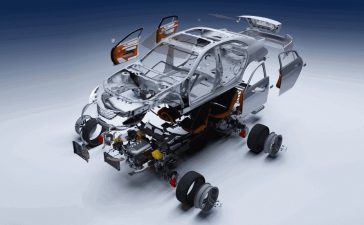
Every vehicle depends on hundreds of components working together to deliver reliable performance, safety, and efficiency. Whether you own a family sedan, pickup truck, SUV, or commercial vehicle, investing in high-quality auto parts is one of the smartest decisions you can make. Reliable components not only improve your vehicle’s performance but also reduce the risk of unexpected breakdowns and costly repairs.
Many vehicle owners focus only on routine maintenance like oil changes and tire rotations. However, replacing worn or damaged parts at the right time is equally important. Using dependable replacement components helps your vehicle perform as the manufacturer intended while extending its overall lifespan.
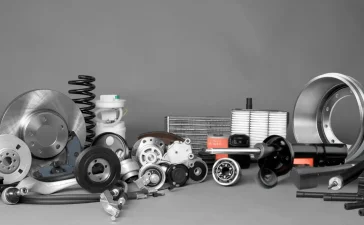
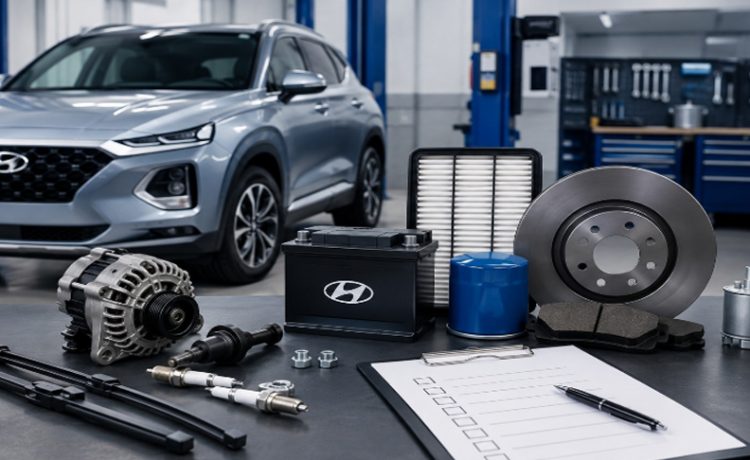
Understanding Different Types of Auto Parts
Auto parts can generally be divided into several major categories, each serving a unique purpose.
Engine Components
The engine is the heart of every vehicle. Parts such as spark plugs, pistons, timing belts, gaskets, filters, and fuel injectors play essential roles in keeping the engine running smoothly.
Regular inspection and timely replacement of these components improve fuel efficiency and maintain consistent engine performance.
Brake System Parts
Vehicle safety depends heavily on a properly functioning braking system. Common brake components include:
- Brake pads
- Brake rotors
- Brake calipers
- Brake drums
- Brake fluid
- Brake hoses
Replacing worn brake parts before they fail helps ensure safe stopping distances and prevents damage to other brake system components.
Suspension and Steering Components
Suspension parts absorb road impacts while steering components provide vehicle control.
Important suspension components include:
- Shock absorbers
- Struts
- Ball joints
- Control arms
- Tie rod ends
- Bushings
Healthy suspension parts improve ride comfort, tire life, and overall handling.
Electrical Components
Modern vehicles rely heavily on electronics. Essential electrical auto parts include:
- Batteries
- Alternators
- Starter motors
- Sensors
- Ignition coils
- Wiring harnesses
Properly functioning electrical systems ensure reliable starting, lighting, charging, and engine management.
OEM vs Aftermarket Auto Parts
One of the most common questions vehicle owners ask is whether to choose OEM or aftermarket parts.
OEM Parts
Original Equipment Manufacturer (OEM) parts are designed to match the specifications of the original components installed in the vehicle. They offer consistent quality and compatibility, making them a popular choice for many repairs.
Aftermarket Parts
Aftermarket parts are produced by independent manufacturers. Many reputable brands offer high-quality alternatives that meet or exceed original specifications while providing competitive pricing and a wider range of options.
Choosing reputable suppliers ensures dependable performance regardless of which option you select.
Signs Your Vehicle Needs New Auto Parts
Ignoring early warning signs can turn minor issues into expensive repairs.
Watch for symptoms such as:
- Unusual engine noises
- Reduced fuel economy
- Vibrations while driving
- Difficulty starting
- Warning lights on the dashboard
- Poor braking performance
- Uneven tire wear
- Steering instability
Addressing these issues promptly helps prevent further damage and keeps repair costs under control.
Why Quality Matters
Not all replacement parts are manufactured to the same standards. High-quality auto parts provide several important benefits.
Improved Safety
Reliable brake, steering, suspension, and lighting components help keep drivers and passengers safe.
Better Performance
Premium parts restore factory-level performance and maintain smooth operation under various driving conditions.
Longer Service Life
Quality materials resist wear and corrosion, allowing components to last longer than low-grade alternatives.
Reduced Maintenance Costs
Although premium parts may cost more initially, they often reduce long-term maintenance expenses by lasting longer and preventing related failures.
Tips for Buying Auto Parts
Making informed purchasing decisions can save both time and money.
Consider the following tips:
- Verify vehicle year, make, and model.
- Match part numbers whenever possible.
- Purchase from trusted suppliers.
- Compare product specifications.
- Look for manufacturer warranties.
- Read customer reviews.
- Avoid suspiciously cheap products.
These simple steps help ensure compatibility and dependable performance.
Routine Maintenance Helps Every Part Last Longer
Preventive maintenance reduces wear on major vehicle systems.
Recommended maintenance practices include:
- Replacing air and oil filters regularly
- Monitoring fluid levels
- Rotating tires
- Inspecting belts and hoses
- Checking brake components
- Maintaining battery terminals
- Performing scheduled inspections
Routine care helps maximize the lifespan of every major vehicle component.
Final Thoughts
Quality auto parts play a vital role in maintaining vehicle safety, reliability, and efficiency. From engine components and braking systems to suspension and electrical equipment, every part contributes to overall performance. Choosing dependable replacement components, performing regular maintenance, and addressing problems early can help keep your vehicle operating smoothly for years while reducing unexpected repair costs.