
When your livelihood depends on a smoothly running diesel engine, finding a trustworthy professional to handle diesel engine repairs becomes more than just a convenience – it’s a necessity. Whether you’re a fleet manager overseeing a fleet of commercial vehicles or an individual owner-operator, the reliability of your diesel mechanic can directly impact your bottom line. But with so many workshops vying for your business, how do you sift through the noise and identify a genuine expert who won’t leave you stranded – or worse, ripped off?
This guide is designed to equip you with the knowledge and tools you need to find a dependable diesel mechanic, avoid common scams, and ensure your vehicle receives the quality care it deserves. We’ll cover everything from understanding the specific skills a good diesel mechanic should possess, to navigating the search process effectively, and recognising red flags that could indicate a less-than-reputable service provider. And if you are looking for a diesel mechanic operating in the Brisbane area, we’ve got you covered too.
What Makes a Great Diesel Mechanic?
Not all mechanics are created equal, and diesel engines demand a specialized skillset. So, what exactly should you be looking for in a top-notch diesel technician?
Specialised Knowledge and Training
Diesel engines operate differently from their petrol counterparts. They involve higher compression ratios, different fuel injection systems, and unique diagnostic challenges. A great diesel mechanic will have undergone specific training and possess in-depth knowledge of these systems. Look for certifications like those from the Automotive Service Excellence (ASE) or equivalent Australian qualifications that demonstrate their commitment to professional development.
Experience with Your Vehicle Type
Diesel engines are used in a wide array of vehicles, from light-duty trucks and SUVs to heavy-duty commercial vehicles, buses, and even agricultural equipment. A mechanic who specialises in one type of vehicle may not be as proficient with another. Ask about their experience working on vehicles similar to yours. Have they worked on your make and model before? Do they have a solid understanding of the common issues that affect your specific vehicle?
Diagnostic Expertise
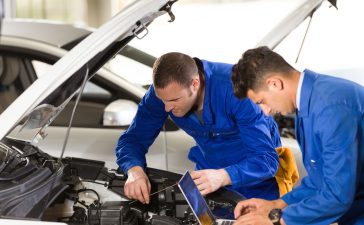
Modern diesel engines are complex machines with intricate electronic control systems. A skilled diesel mechanic needs to be a master diagnostician, capable of quickly and accurately identifying the root cause of a problem. This requires a combination of technical knowledge, experience, and the right diagnostic tools. They should be able to interpret fault codes, perform advanced testing, and use specialised equipment to pinpoint issues that might not be immediately obvious.
Commitment to Ongoing Learning
The automotive industry is constantly evolving, with new technologies and engine designs emerging all the time. A truly great diesel mechanic will be committed to staying up-to-date with the latest advancements. They’ll attend training courses, read industry publications, and invest in new tools and equipment to ensure they can provide the best possible service.
Finding a Reliable Diesel Mechanic Near You
Okay, so you know what to look for in a great diesel mechanic. But how do you actually find one in your local area? Here are some proven strategies to help you in your search:
Ask for Recommendations
Word-of-mouth is still one of the most reliable ways to find a trustworthy service provider. Ask friends, family, colleagues, and other business owners for recommendations. If you’re part of any online forums or groups related to diesel vehicles, post a question asking for suggestions. Personal recommendations often come with valuable insights and firsthand experiences that you won’t find in online reviews.
Check Online Reviews and Ratings
Online reviews can provide a valuable overview of a workshop’s reputation and customer satisfaction levels. Check sites like Google Reviews, Yelp, and Facebook to see what other customers have to say. Pay attention to both the positive and negative reviews, and look for patterns or recurring themes. Are there consistent complaints about poor communication, shoddy workmanship, or inflated prices? Conversely, are there numerous positive comments about the mechanic’s expertise, professionalism, and fair pricing?
Verify Certifications and Credentials
As mentioned earlier, certifications like ASE demonstrate a mechanic’s commitment to professional standards. Ask about the mechanic’s qualifications and experience. Don’t be afraid to request proof of certifications or licenses. A reputable workshop will be transparent about their credentials and happy to provide you with the information you need.
Assess Their Communication and Customer Service
From your initial phone call or email, pay attention to how the workshop communicates with you. Are they responsive and helpful? Do they take the time to listen to your concerns and answer your questions clearly and patiently? A good mechanic will be able to explain complex technical issues in a way that you can understand, without resorting to jargon or condescension. Excellent customer service is a sign of a workshop that values its customers and strives to build long-term relationships.
Inspect the Workshop
A clean, organised, and well-equipped workshop is often a sign of a professional and competent operation. Take a look around the workshop when you drop off your vehicle. Is it tidy and well-maintained? Do they have the necessary tools and equipment to perform the repairs you need? A cluttered or poorly equipped workshop could be a red flag.
Avoiding Diesel Mechanic Scams and Rip-Offs
Unfortunately, the automotive repair industry isn’t immune to dishonest practices. Here are some common scams and rip-offs to watch out for, and how to protect yourself:
Unnecessary Repairs
This is one of the most common scams. A dishonest mechanic may try to convince you that you need repairs that aren’t actually necessary. To avoid this, always get a written estimate before authorising any work. If you’re unsure about a recommended repair, get a second opinion from another mechanic. Don’t feel pressured to approve work you don’t understand or agree with.
Bait-and-Switch Tactics
A mechanic may advertise a low price for a service to lure you in, but then try to upsell you on additional, more expensive services once they have your vehicle. Be wary of unusually low prices, and always get a detailed written estimate that includes all costs before authorising any work. If the final bill is significantly higher than the estimate, challenge the charges and ask for a written explanation.
Using Inferior Parts
Some unscrupulous mechanics may use cheap, aftermarket parts instead of genuine OEM (Original Equipment Manufacturer) parts, even if you’ve requested OEM parts. This can compromise the quality and longevity of the repair. Ask the mechanic to specify the type of parts they’ll be using in the estimate, and request to see the parts before they’re installed. If you’re concerned about the quality of the parts, insist on OEM parts, even if they cost a bit more.
Hidden Fees and Charges
Some mechanics may add hidden fees or charges to your bill, such as “shop supplies” or “environmental fees” that weren’t disclosed upfront. Always ask for a detailed breakdown of all charges in the estimate, and question any fees that you don’t understand. A reputable workshop will be transparent about their pricing and happy to explain any charges.
Refusing to Return Old Parts
You have the right to request that the mechanic return your old parts after the repair is completed. This allows you to inspect the parts and verify that they were actually replaced. A mechanic who refuses to return your old parts may be trying to hide something, such as the fact that they didn’t actually replace the part or that they used a cheaper, inferior part.
Protecting Yourself from Scams
Here are some additional tips to protect yourself from diesel mechanic scams:
- Get a written estimate: Always get a detailed written estimate before authorising any work. The estimate should include a breakdown of all costs, including parts, labour, and any applicable taxes or fees.
- Ask questions: Don’t be afraid to ask questions about the recommended repairs. A good mechanic will be able to explain the problem in a way that you can understand and answer your questions clearly and patiently.
- Get a second opinion: If you’re unsure about a recommended repair, get a second opinion from another mechanic. This can help you verify that the repair is actually necessary and that the price is fair.
- Pay with a credit card: Paying with a credit card gives you some protection in case of a dispute. If you’re not satisfied with the work, you can dispute the charge with your credit card company.
- Keep records: Keep copies of all estimates, invoices, and other documents related to the repair. This will be helpful if you need to file a complaint or dispute the charges.
Conclusion
Finding a reliable professional to perform work on a diesel engine doesn’t have to be a daunting task. By following the tips outlined in this guide, you can increase your chances of finding a trustworthy diesel mechanic who will provide quality service at a fair price. Remember to do your research, ask for recommendations, check online reviews, and be wary of common scams. With a little due diligence, you can keep your diesel engine running smoothly for years to come.
Frequently Asked Questions (FAQs)
- How often should I service my diesel engine?
The frequency of servicing depends on several factors, including the type of vehicle, the operating conditions, and the manufacturer’s recommendations. As a general rule, you should service your diesel engine at least once a year, or every 10,000 to 15,000 kilometres, whichever comes first. However, if you operate your vehicle in harsh conditions, such as dusty or off-road environments, you may need to service it more frequently.
- What are some common signs that my diesel engine needs repair?
Some common signs that your diesel engine needs repair include:
- Reduced fuel efficiency
- Black smoke coming from the exhaust
- Unusual noises or vibrations
- Difficulty starting the engine
- Loss of power
- Check engine light illumination
If you notice any of these symptoms, it’s important to take your vehicle to a qualified diesel mechanic for diagnosis and repair as soon as possible.
- What is the difference between a diesel mechanic and a regular mechanic?
While both diesel mechanics and regular mechanics work on vehicles, diesel mechanics specialise in diesel engines and the unique systems associated with them. Diesel engines have different fuel injection systems, higher compression ratios, and different maintenance requirements than petrol engines. Diesel mechanics have the specialised knowledge, training, and tools necessary to diagnose and repair these engines effectively.
- How much does it cost to service a diesel engine?
The cost of servicing a diesel engine can vary depending on the type of service, the make and model of the vehicle, and the location of the workshop. A basic service, such as an oil change and filter replacement, may cost a few hundred dollars. More complex repairs, such as engine overhauls or fuel injection system repairs, can cost several thousand dollars. Always get a written estimate before authorising any work, and compare prices from several workshops to ensure you’re getting a fair deal.
- How can I find a trustworthy diesel mechanic?
Finding a trustworthy diesel mechanic requires some due diligence. Ask for recommendations from friends, family, and colleagues. Check online reviews and ratings. Verify certifications and credentials. Assess their communication and customer service. Inspect the workshop. By following these tips, you can increase your chances of finding a reliable mechanic who will provide quality service at a fair price.