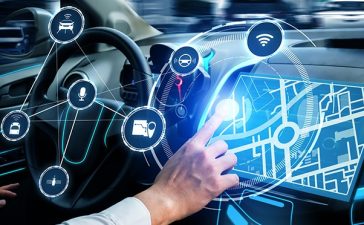

Think about how much a driver has to process on a busy road. There are other vehicles, pedestrians, traffic lights, road signs, changing weather, and unexpected movements to watch at the same time. This is where artificial intelligence is becoming increasingly useful. Modern vehicles can combine information from cameras, radar, and other sensors to identify potential hazards and assist drivers before a dangerous situation becomes a crash.
Spotting Dangers Before Drivers Do
One of AI’s biggest contributions to vehicle safety is its ability to monitor the road continuously. A driver may become distracted for just a few seconds, but a vehicle’s safety systems can keep scanning its surroundings.
Forward collision warning systems, for example, can detect when a vehicle is getting dangerously close to another vehicle. More advanced systems can automatically apply the brakes if the driver does not respond quickly enough. Some can also identify pedestrians and cyclists.
Helping Drivers Stay in Their Lane
Have you ever noticed how easy it is to drift slightly when driving on a long, tiring journey? Lane departure warning systems can detect when a vehicle begins moving out of its lane and alert the driver.
Some newer systems go further by providing steering assistance to help keep the vehicle centred. Adaptive cruise control can also adjust speed to maintain a suitable distance from the vehicle ahead. These technologies are designed to assist rather than replace the person behind the wheel.
Making Blind Spots Less Dangerous
Blind spots can be particularly risky when changing lanes. AI-powered driver assistance systems can use cameras and sensors to detect vehicles that may not be visible in the side mirrors.
If another vehicle is detected, the system can warn the driver. In some cars, blind-spot intervention can provide steering or braking assistance when a driver begins moving toward an occupied lane.
What About the Future?
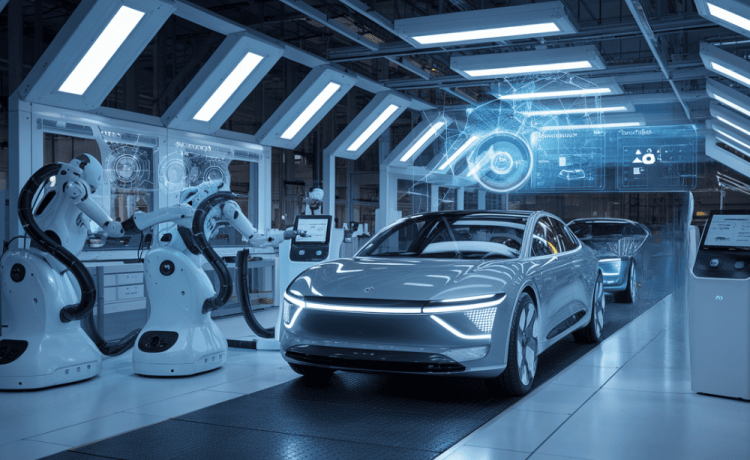
The technology is moving beyond individual safety features. AI-driven vehicles are increasingly being developed to interpret complex surroundings and make more informed driving decisions. Researchers and manufacturers are exploring systems that can process huge amounts of sensor information and respond to changing road conditions.
However, AI is not a reason for drivers to stop paying attention; online pokies could be one of the reasons. Current consumer vehicles with driver-assistance features still require the driver to remain engaged and responsible for driving.
Ultimately, the most useful way to think about AI in cars is as an extra pair of eyes and an additional layer of protection. It can warn us when danger is approaching, react quickly when necessary, and help reduce the impact of human mistakes. As the technology continues to develop, that extra support could make everyday journeys considerably safer.