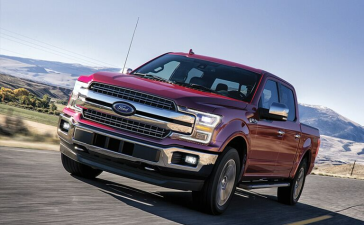


Taking a road trip in a used vehicle offers freedom and adventure, but it also demands adequate preparation. Older and pre-owned vehicles carry a history of wear and tear that can manifest as sudden mechanical issues under the stress of high speeds, heavy cargo, and extended driving hours. A breakdown hundreds of miles from home transforms an enjoyable getaway into a stressful, expensive ordeal.
Performing targeted maintenance before hitting the highway ensures that your vehicle handles the upcoming miles safely and reliably. Addressing key mechanical components beforehand mitigates risk and grants peace of mind. Here are the top five essential maintenance tasks to complete on your used car before embarking on a long journey.
1. Inspect and Service the Braking System
Your vehicle’s braking system is its primary safety mechanism. Long-distance driving, particularly through varying topographies such as mountainous descents or heavy traffic corridors, places significant thermal and mechanical stress on brake components. Used cars often have unevenly worn pads or aging fluid, making a thorough inspection mandatory.
Start by evaluating the thickness of the brake pads. Most manufacturers recommend replacing pads once the friction material wears down to three millimeters or less. If you notice a high-pitched squealing sound or feel a pulsation in the pedal during stopping, the brake rotors may be warped or the pads severely degraded.
Additionally, pay attention to the brake fluid. Over time, brake fluid absorbs moisture from the atmosphere, which lowers its boiling point and causes corrosion inside the hydraulic lines. Fresh brake fluid should appear clear with a light amber hue. Dark, murky fluid indicates contamination and warrants a full system flush. Ensuring responsive, firm pedal feel prevents dangerous fading under heavy usage.
2. Check, Top Off, or Replace Essential Fluids
Fluids are the lifeblood of any automobile, serving to cool, lubricate, and protect critical internal systems. High speeds and continuous engine operation during long road trips elevate operating temperatures, making clean fluids operating at correct levels indispensable.
Motor Oil
Motor oil lubricates internal moving engine parts and carries away heat. Check the dipstick with the engine off and parked on a level surface. The oil should sit between the minimum and maximum indicator marks. If the oil appears jet black, gritty, or has reached its recommended service interval, change both the oil and the filter before leaving.
Engine Coolant
The cooling system prevents the engine from overheating. Inspect the coolant reservoir when the engine is completely cold. Ensure the fluid meets the full mark and displays a bright green, pink, or orange color depending on the vehicle specification. Rust-colored fluid or visible debris points to cooling system corrosion, requiring a system flush.
Transmission and Power Steering Fluids
Automatic transmission fluid ensures smooth gear shifts and internal cooling. Low or burnt transmission fluid causes slipping and overheating under heavy loads. Check power steering fluid if your vehicle uses a traditional hydraulic setup to maintain smooth turning response without damaging the pump.
3. Evaluate Tire Health, Pressure, and Alignment
Tires represent the sole point of contact between your car and the road. Driving thousands of miles on worn, improperly inflated, or misaligned tires drastically increases the risk of a blowout, reduces fuel economy, and compromises handling.
-
Tread Depth: Measure tread depth using a simple penny test or dedicated tread gauge. Insert a penny upside down into the main tread grooves. If the top of Lincoln’s head is visible across the board, your tread depth is below two-thirty-seconds of an inch, and the tires require immediate replacement.
-
Tire Pressure: Check tire pressure using an accurate digital gauge when the tires are cold. Set the pressure according to the specification on the driver’s door jamb sticker, not the maximum rating printed on the tire sidewall. Under-inflated tires generate excess heat at high speeds, leading to tread separation.
-
Tire Rotation and Alignment: If the tires exhibit uneven wear patterns across the tread face, perform a rotation and alignment. A proper alignment prevents highway drift and reduces driver fatigue during long stretches behind the wheel.
-
Spare Tire: Inspect the condition and pressure of your spare tire. Verify that the jack, lug wrench, and wheel lock key are present in the trunk.
4. Inspect the Battery and Electrical System
Extreme temperatures and long operational cycles put immense demand on an aging vehicle’s electrical system. A weak battery might start a car fine for short city commutes but fail completely after sitting overnight at a hotel halfway through a trip.
Examine the battery terminals for white or bluish corrosion buildup. Clean any deposits using a wire brush and a mixture of baking soda and water. Ensure the terminal clamps are tightly secured and do not twist by hand.
Most auto parts stores offer complimentary battery load testing. This test measures the battery’s cold cranking amps and determines whether it holds a sufficient charge. If your used car’s battery is more than three to four years old, replacing it proactively eliminates the threat of getting stranded far from service stations. Check that the alternator is maintaining standard voltage output to keep the battery charged while running modern accessories.
5. Examine Belts, Hoses, and Suspension Components
Under-hood rubber components degrade silently over time. Heat cycles cause drive belts to crack and hoses to soften or harden, making pre-trip visual inspections critical for older used vehicles.
Serpentine Belt
The serpentine belt drives essential accessories, including the alternator, water pump, and air conditioning compressor. Inspect the belt for cracking, fraying, missing ribs, or glazing. A snapped serpentine belt immediately disables the vehicle and can cause severe engine overheating within minutes.
Radiator Hoses
Squeeze the upper and lower radiator hoses when the engine is cool. They should feel firm yet pliable. Soft, spongy spots or brittle, hard rubber indicate internal degradation. Check all clamp connection points for dry crusty residues, which signal small coolant leaks under pressure.
Suspension and Steering
Inspect the shocks and struts for leaking hydraulic oil. Listen for clunking noises over bumps during daily driving. Worn suspension components degrade high-speed stability, lengthen braking distances, and compromise vehicle control during emergency avoidance maneuvers.
Frequently Asked Questions
How far in advance of a road trip should I perform these maintenance tasks?
Complete all pre-trip maintenance tasks one to two weeks before your departure date. Handling repairs in advance allows sufficient time to test-drive the vehicle locally, ensuring new parts are fitted correctly and lingering issues surface before you leave home.
Should I get a professional pre-trip inspection if I already service my car regularly?
Yes, requesting a formal pre-trip inspection from a certified mechanic provides an impartial set of eyes on hidden safety elements like ball joints, wheel bearings, and underbody lines that routine oil change visits might overlook.
What essential items should I pack in a road trip emergency kit for a used car?
An emergency kit should include jumper cables, a portable tire inflator, a tire pressure gauge, basic hand tools, a flashlight with extra batteries, engine oil, coolant, a first-aid kit, reflective triangles, and bottled water.
How does driving with extra cargo affect pre-trip maintenance preparation?
Carrying extra luggage or passengers increases total vehicle mass, which stresses the suspension, increases braking distances, and places higher demands on tires. Adjust tire pressure slightly upward toward the loaded specification listed in your owner manual and ensure your brakes are in top condition.
Can I run regular water in the cooling system during a summer road trip if low?
Water should only be used as an absolute temporary emergency measure. Plain water boils at a lower temperature than proper coolant mixes, lacks corrosion inhibitors, and fails to lubricate the water pump seal, leading to long-term internal damage.
How often should wiper blades and windshield washer fluid be checked before driving long distances?
Inspect wiper blades for rubber splitting or streaking before every major trip. Top off the washer fluid reservoir with a rain-clearing or bug-dissolving solution to maintain visibility during sudden storms or heavy highway bug splatter.