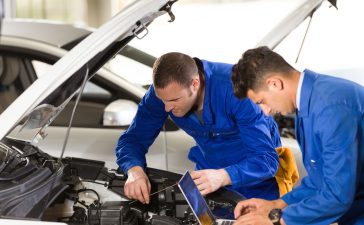


If you own a modern diesel vehicle, chances are it’s your workhorse. Whether you rely on a trusty ute to cart tools and supplies to the job site, or you drive a capable 4WD to tow the caravan up the coast for the holidays, diesel power is synonymous with reliability and grunt. But what if we told you that the performance you currently experience is only scratching the surface of your engine’s true potential?
Factory settings are designed to satisfy every possible condition globally, meaning they are often conservative and heavily compromised. They leave a significant amount of power and efficiency on the table. This is where investing in professional diesel tuning services comes into play. It’s not just about making your vehicle faster; it’s about refining your engine’s operation to achieve a perfect balance of power, efficiency, and longevity, tailored specifically to local driving demands.
For the average punter, the idea of engine modification can sound complicated, maybe even a bit risky. But when handled by seasoned experts, optimising your diesel engine is arguably the single best modification you can make. It transforms the way your vehicle drives, handles loads, and consumes fuel, turning a good diesel into a great one.
What exactly is diesel tuning?
To truly understand the benefits, we need to quickly look under the bonnet, or rather, inside the computer. Modern diesel engines are controlled by an Electronic Control Unit (ECU). Think of the ECU as the vehicle’s brain. It manages crucial parameters like fuel injection timing, boost pressure, and exhaust gas recirculation (EGR).
When specialists talk about professional diesel tuning, they are referring to the process of recalibrating or remapping the software within the ECU. Instead of accepting the generic factory map, a skilled technician modifies the parameters to suit better quality fuel, specific environmental conditions, and, most importantly, the owner’s driving requirements. This process allows the engine to run closer to its mechanical optimum.
The difference between a generic tune and a custom calibration
A quick search might reveal cheap, off-the-shelf tuning solutions, often involving a simple chip or a generic map download. While these might offer a temporary bump in power, they rarely deliver genuine, sustainable results. Why? Because they are not tailored to your specific vehicle, its current mileage, or its modifications (like a heavy-duty exhaust or upgraded intercooler).
True professional diesel tuning involves a custom calibration. This means the specialist assesses your vehicle on a dynamometer (dyno) to measure baseline power and torque. They then meticulously adjust the ECU parameters, often testing and refining the map multiple times until the engine performs optimally across the entire rev range. This bespoke approach ensures reliability is maintained while maximising performance. It’s the difference between buying a suit off the rack and having one tailor-made.
The undeniable benefits of quality diesel tuning
The improvements derived from a quality ECU remapping are immediately noticeable and highly valuable, particularly for those who rely on their vehicle for work or serious recreation.
- **Increased Power and Torque:** This is the most famous benefit. Expect substantial gains in both horsepower and torque, making overtaking safer and tackling steep inclines effortless.
- **Improved Fuel Efficiency:** By optimising the fuel burn timing and efficiency, the engine uses less fuel to produce the same amount of work, leading to better kilometres per litre.
- **Enhanced Drivability:** Smoother throttle response, reduced turbo lag, and a broader power band make the vehicle feel much more responsive and enjoyable to drive, especially in stop-start traffic.
- **Better Towing Capability:** The added low-end torque drastically reduces strain on the engine and transmission when hauling heavy loads, whether it’s a trailer full of tools or a large boat.
Unleashing hidden power and torque
If you drive a modern turbo-diesel, you know these engines are built tough. However, the factory limits often restrict the engine well below its mechanical capabilities. By safely increasing boost pressure and adjusting fuel delivery curves, professional tuning unleashes that hidden potential. Imagine driving your 4WD through soft sand or up a rocky track; the extra torque makes the difference between crawling through effortlessly and struggling to maintain momentum.
The gains are not just theoretical; they are quantifiable. Most reputable tuning workshops will provide a dyno sheet showing the ‘before’ and ‘after’ figures, proving the real-world increase in performance. This peace of mind is crucial, especially when you are investing in expert diesel tuning for a vehicle you rely on daily.
Significant fuel efficiency improvements
It might seem counter-intuitive that increasing power could also decrease fuel consumption, but it’s true. The key lies in efficiency. A factory tune often runs slightly rich or with sub-optimal timing to cover all bases. When you optimise the engine map, you allow the engine to burn fuel more efficiently. This means the engine doesn’t have to work as hard to maintain cruising speed or accelerate.
For tradies covering long distances or families travelling across the country, those savings quickly add up. Over the lifespan of the vehicle, the fuel savings alone can often minimise the initial cost of the diesel tuning process.
Better towing and load management
Anyone who regularly tows a caravan, a horse float, or a heavy trailer knows the strain it puts on a vehicle. Factory-tuned diesels often struggle on inclines, requiring frequent downshifts and higher RPMs, which increases heat and wear. With a high-quality tune, the engine develops significantly more torque lower down in the rev range.
This increased low-end grunt means your vehicle can hold higher gears for longer, reducing transmission hunting and keeping engine temperatures stable. When you are hauling a load, the enhanced drivability and consistent power delivery are invaluable for safety and comfort, making that long trip feel far less stressful.
Enhanced drivability and responsiveness
Beyond the raw numbers, one of the most satisfying benefits is the improvement in drivability. Have you ever noticed a slight delay or ‘dead spot’ when you press the accelerator? This turbo lag or throttle delay is often a product of conservative factory mapping.
A professional tune eliminates or significantly minimises this lag, providing instant throttle response. This makes merging onto the motorway safer and navigating tight city traffic much smoother. The vehicle feels connected to your foot, enhancing the overall driving experience – a genuine pleasure for anyone spending serious time behind the wheel.
Is professional diesel tuning right for your vehicle?
The short answer is yes, provided your vehicle is mechanically sound and well-maintained. Diesel tuning is highly popular across a vast range of vehicles, particularly those used for heavy-duty applications.
Common candidates for performance optimisation include:
- Dual-cab utes (e.g., Ford Ranger, Toyota HiLux, Nissan Navara)
- Large 4WD wagons (e.g., Toyota LandCruiser, Nissan Patrol)
- Vans and light commercial vehicles used by delivery drivers and service tradies
- Older diesel models that could benefit from modern calibration techniques
However, the key to success lies in matching the tune to the vehicle’s components. A responsible tuner will always assess the health of your turbocharger, clutch (if manual), and cooling system before proceeding. They understand that reliability is paramount, especially for vehicles used in demanding conditions.
Choosing the right experts for your engine
Because diesel tuning is a specialised field, choosing the right workshop is perhaps the most important decision you will make. You are essentially entrusting the health and performance of your engine to their expertise. You wouldn’t trust a backyard mechanic to perform complex surgery on your vehicle, so why trust a generic chip installer with your ECU?
For those in the capital, finding reliable diesel tuning in Brisbane is crucial. The demanding traffic and varied terrain of the region require a tune that is robust and reliable, delivering power when you need it without compromising day-to-day usability. Likewise, for those based further north, accessing specialised diesel tuning on the Sunshine Coast means finding a workshop familiar with tuning vehicles used for frequent beach driving and towing recreational gear.
What to look for in a diesel tuner
When assessing a potential tuning specialist, look beyond the price tag and focus on these key indicators of quality and reliability:
1. Custom tuning approach
Ensure they offer custom ECU remapping tailored to your vehicle and its current condition, rather than simply flashing a generic file. Ask about their process – a dyno session is non-negotiable for a professional tune.
2. Experience and reputation
How long have they been performing diesel tuning? Do they specialise in specific engine types? Check their online reviews and ask for examples of similar vehicles they have worked on. Expertise in high-performance diesel tuning translates directly to reliability.
3. Diagnostic equipment
A top-tier workshop will have state-of-the-art diagnostic tools and a modern dyno. This equipment is essential for accurately measuring performance before and after the tune and ensuring all engine parameters – like air-fuel ratios and exhaust temperatures – remain within safe limits.
4. Post-tune support
A quality tuner stands by their work. Ask about their warranty and what support they offer if you encounter any issues after the tune is completed. Clear communication and ongoing customer service demonstrate trust and professionalism.
Common misconceptions about diesel tuning
Many myths swirl around the topic of engine modification. Let’s tackle a couple of the most common concerns that often cause hesitation among diesel owners.
Myth 1: Tuning ruins engine reliability
This misconception usually stems from poorly executed tuning, often involving cheap, generic chips or overly aggressive mapping designed purely for maximum power without regard for engine safety margins. Professional diesel tuning, when done correctly, operates within the safe mechanical limits of the engine and drivetrain. A good tune often improves efficiency and reduces carbon build-up, potentially extending the engine’s life, provided the owner maintains regular servicing.
Myth 2: It voids my warranty
This is a complex area. While manufacturers may claim any modification voids the warranty, the reality is nuanced. Under consumer law, a manufacturer must prove that the modification caused the specific failure. However, it is essential to discuss warranty implications with your tuner. Reputable shops will often offer a warranty on the work they perform. Many owners decide the significant gains in drivability and efficiency are worth the potential risk, especially once the factory warranty period is nearing its end.
Myth 3: More power means more smoke
In the old days, tuning often resulted in plumes of black smoke, a sign of incomplete combustion due to excessive fuel delivery. Modern, professional diesel tuning is precise. Because the calibration optimises the air-to-fuel ratio and injection timing, the engine burns fuel cleaner and more efficiently. A well-executed tune should result in minimal, if any, visible smoke under load.
Ultimately, investing in expert diesel tuning is a decision to unlock the full potential engineered into your vehicle. It’s about refinement, not recklessness. For anyone who depends on their diesel for serious work or long-distance travel, the benefits in torque, economy, and general drivability are transformative.
Frequently asked questions (FAQs) about professional diesel tuning
Does diesel tuning affect the lifespan of my engine?
When performed professionally, diesel tuning should not negatively affect the lifespan of a well-maintained engine. Professional tuners work within safe parameters, only unlocking the potential left untapped by the conservative factory settings. In fact, by improving efficiency and reducing the strain on the engine when towing or accelerating, a good tune can sometimes contribute to better long-term health. The key is ensuring the tune is custom, not generic, and that you maintain your vehicle rigorously.
How long does the diesel tuning process take?
The time required depends heavily on the type of vehicle and the complexity of the custom calibration. A professional workshop performing a full custom ECU remapping, including initial diagnostics, dyno runs, map refinement, and final testing, typically requires a full day. This ensures the technician has ample time to fine-tune the engine safely and accurately, providing the best possible result.
Will I need other modifications after getting a tune?
For most standard vehicles, a professional diesel tune works perfectly well on its own. However, if you are seeking maximum performance gains, especially for heavy towing or off-roading, complementary modifications are often recommended. These might include a high-flow air filter, a three-inch exhaust system, or an upgraded intercooler. These parts help the engine breathe and keep temperatures down, allowing the tune to deliver peak performance more reliably.
What is the difference between ECU remapping and a tuning chip?
ECU remapping (or flash tuning) involves directly modifying the software parameters inside the vehicle’s computer, offering precise control over every aspect of the engine’s operation. A tuning chip, conversely, is an external device that intercepts signals between the ECU and the engine (usually fuel rail pressure or boost sensor) and modifies them. While chips are easier to install, they are less precise and generally less safe than a full custom ECU remapping which integrates seamlessly with the factory safety protocols.
Can the tune be reversed or removed later?
Yes, one of the advantages of professional flash tuning is that the original factory software file is always saved by the technician. If you ever need to return the vehicle to its original settings – perhaps for warranty work or before selling – the workshop can simply upload the original map back into the ECU. This makes the entire process fully reversible.
Also Read: Diesel Tuning: What’s the ROI & Is It Right for Your Ride?