
Introduction: The Vital Role of Car Repair in Vehicle Longevity
Owning a car is both a convenience and a responsibility. Behind the allure of sleek designs and smooth rides lies the reality of mechanical wear and tear. Car repair is an essential part of vehicle ownership, serving as the guardian of your automobile’s performance, safety, and lifespan. Far beyond just fixing breakdowns, effective car repair encompasses preventative care, skilled diagnostics, and timely intervention.
For drivers who wish to navigate the roads confidently and keep their vehicles in prime condition, understanding the nuances of car repair is invaluable. It’s a discipline that combines technical know-how with attentive care, ensuring every journey is as reliable as the last.
Understanding the Scope of Car Repair
Car repair is a multifaceted field, encompassing everything from minor fixes to major overhauls. It involves a variety of systems working in concert, each requiring different levels of expertise and tools.
Core Components Addressed in Car Repair:
-
Engine and Transmission: The heart and the power delivery system of the vehicle.
-
Braking System: Critical for safety, involving pads, discs, calipers, and fluid.
-
Suspension and Steering: Responsible for ride comfort and precise handling.
-
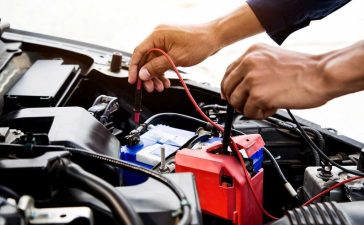
Electrical Systems: Including the battery, alternator, wiring, sensors, and onboard computers.
-
Body and Frame: Addressing cosmetic and structural damages.
Car repair professionals diagnose faults, replace worn parts, recalibrate systems, and perform maintenance that preemptively reduces breakdowns.
The Diagnostic Process: The Foundation of Effective Repairs
Before any repair is undertaken, proper diagnosis is crucial. Modern cars come equipped with onboard diagnostic systems that monitor everything from engine performance to emissions.
-
Onboard Diagnostic Tools (OBD-II scanners) help technicians retrieve trouble codes.
-
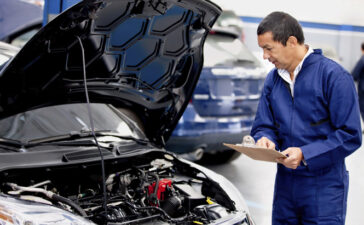
Visual Inspections identify wear, leaks, and damage not detected electronically.
-
Test Drives reveal symptoms like noise, vibration, or poor handling.
This methodical approach ensures that repairs address root causes rather than superficial symptoms, thereby saving time and money.
When to DIY and When to Seek Professional Assistance
For many car owners, the prospect of DIY repairs is tempting, offering cost savings and a sense of accomplishment. However, knowing where to draw the line is critical.
Ideal DIY Repairs:
-
Changing oil and oil filters
-
Replacing air filters and cabin filters
-
Swapping out windshield wipers or light bulbs
-
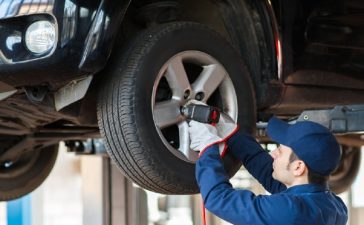
Changing brake pads or tires (if confident)
-
Battery replacement
Repairs Best Left to Professionals:
-
Engine and transmission repairs
-
Electrical system diagnostics and repairs
-
Complex suspension or brake system work
-
Bodywork involving frame straightening or paint matching
-
Air conditioning and advanced electronic system servicing
Understanding your skill level and the complexity of the repair is the key to safe and effective maintenance.
Preventive Maintenance: The Best Strategy Against Costly Repairs
The age-old adage “an ounce of prevention is worth a pound of cure” holds true in car repair. Regular maintenance reduces the likelihood of sudden failures and keeps your vehicle running optimally.
Key preventive maintenance tasks include:
-
Regular oil and filter changes to ensure engine health
-
Tire rotations and alignments to prevent uneven wear
-
Brake inspections to catch wear early
-
Fluid level checks and replacements (coolant, brake fluid, transmission fluid)
-
Battery testing to avoid unexpected breakdowns
Staying ahead of potential issues through routine maintenance not only saves money but enhances safety on the road.
Selecting the Right Repair Shop: A Decision of Trust and Expertise
Choosing where to take your vehicle for repairs can be daunting. The right shop combines technical proficiency with transparent service and fair pricing.
Consider these factors when selecting a repair facility:
-
Certifications: ASE certification or manufacturer training signals a knowledgeable technician.
-
Reputation: Customer reviews and testimonials provide insight into service quality.
-
Transparency: Clear communication about issues, costs, and repair timelines builds trust.
-
Warranty: A reliable shop offers guarantees on parts and labor.
-
Facilities: Modern equipment and clean workspaces reflect professionalism.
Building a relationship with a dependable repair shop can provide peace of mind throughout your vehicle’s life.
The Impact of Technology on Car Repair
The evolution of automotive technology has transformed car repair into a sophisticated field requiring continuous learning.
-
Vehicles now feature complex electronic systems controlling everything from engine timing to safety features.
-
Hybrid and electric vehicles introduce high-voltage components and battery management systems.
-
Software updates and programming have become part of standard repair processes.
-
Mobile diagnostics and repair services bring convenience and speed.
Staying informed about these advances helps owners and technicians keep pace with the changing landscape of car repair.
Conclusion: Embracing Car Repair as a Partnership with Your Vehicle
Car repair transcends the simple act of fixing broken parts; it is a vital partnership between driver and machine. By appreciating the importance of timely diagnosis, balancing DIY with professional help, committing to preventive maintenance, and choosing trusted repair experts, you lay the foundation for a reliable and enjoyable driving experience.
As vehicles grow ever more sophisticated, the art and science of car repair continue to evolve, challenging us to become better caretakers of these essential machines. In doing so, we not only preserve our investments but ensure that every mile traveled is safe, smooth, and satisfying.