
Introduction: Why Car Repair Matters More Than Ever
In an era where cars have become complex technological marvels, the importance of proficient car repair cannot be overstated. Beyond simply fixing a broken component, car repair is an art and science that safeguards your investment, enhances safety, and extends the lifespan of your vehicle. Whether you own a sleek sedan or a rugged SUV, understanding the fundamentals of car repair empowers you to make wiser choices, avoid costly mistakes, and maintain a smooth driving experience.
Car repair is more than a routine necessity; it’s a commitment to preserving performance and reliability in a machine that’s integral to modern life.
Understanding Car Repair: More Than Just Wrenches and Tools
Car repair encompasses a broad spectrum of services ranging from routine maintenance to complex engine overhauls. It involves identifying, diagnosing, and correcting issues that can arise from wear and tear, accidents, or mechanical failures.
Core Areas of Car Repair Include:
-
Mechanical Repairs: Addressing issues in the engine, transmission, suspension, and braking systems.
-
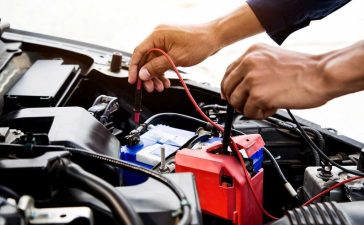
Electrical Repairs: Fixing problems related to the battery, alternator, wiring, sensors, and onboard computers.
-
Body Repairs: Restoring structural integrity and aesthetics following collisions or environmental damage.
-
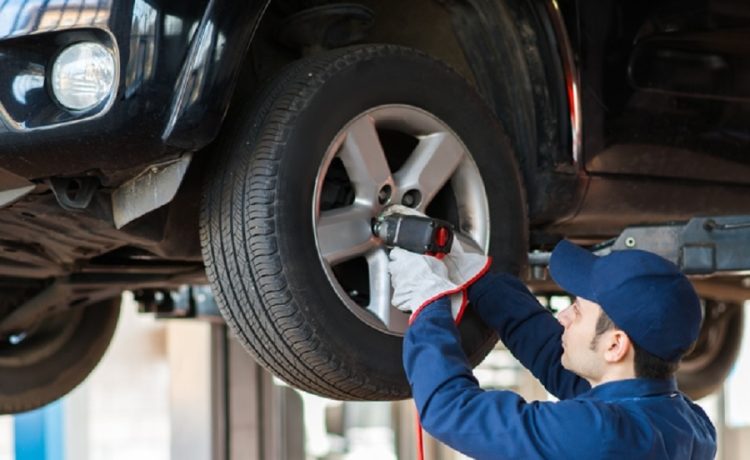
Routine Maintenance: Activities such as oil changes, filter replacements, tire rotations, and brake servicing that prevent breakdowns.
Each category requires specialized knowledge, precision, and appropriate tools to ensure repairs are lasting and effective.
The Diagnostic Process: The Key to Effective Repair
Before any repair work begins, accurate diagnosis is paramount. Modern vehicles are equipped with sophisticated onboard diagnostics systems that provide valuable data about the car’s condition. Skilled technicians use these tools in tandem with their expertise to pinpoint issues swiftly.
-
Check Engine Light: Often the first indicator of a problem, it requires scanning for trouble codes.
-
Visual Inspections: Technicians examine belts, hoses, fluid levels, and components for obvious signs of damage or wear.
-
Test Drives: Assess performance issues like unusual noises, vibrations, or handling problems under real driving conditions.
A thorough diagnostic approach minimizes guesswork, prevents unnecessary repairs, and saves both time and money.
Choosing Between DIY and Professional Repair: What You Should Know
The question of whether to tackle repairs yourself or consult a professional is one many vehicle owners face.
When DIY Makes Sense:
-
Simple maintenance tasks such as replacing windshield wipers, changing oil, or swapping air filters.
-
Minor repairs like replacing a dead battery or changing light bulbs.
-
When you have access to proper tools, repair manuals, and confidence in your skills.
DIY offers cost savings and satisfaction but must be approached cautiously to avoid further damage.
When to Seek Professional Help:
-
Complex engine or transmission repairs requiring advanced diagnostic equipment.
-
Electrical system faults that involve sensitive computer modules.
-
Suspension, brake, or safety-critical system repairs.
-
Bodywork requiring specialized tools, paints, and refinishing techniques.
Professional repair shops bring experience, warranties, and often manufacturer certifications that guarantee quality work.
The Importance of Preventive Maintenance in Reducing Repair Costs
Preventive maintenance is the unsung hero in the story of car repair. Regular upkeep not only extends vehicle life but drastically reduces the likelihood of unexpected failures.
Key preventive maintenance tips include:
-
Regular Oil Changes: Keep the engine lubricated and running smoothly.
-
Brake Inspections: Detect wear before it becomes dangerous or costly.
-
Tire Care: Rotate and balance tires to improve safety and fuel efficiency.
-
Fluid Checks: Maintain proper levels of coolant, transmission fluid, and power steering fluid.
-
Battery Tests: Prevent sudden failures, especially in extreme weather conditions.
Investing time and money in these simple steps often pays dividends by avoiding more extensive and expensive repairs later.
Choosing the Right Repair Shop: Factors to Consider
Selecting a reliable repair shop is crucial for peace of mind and quality assurance.
-
Certifications and Credentials: Look for ASE (Automotive Service Excellence) certifications or manufacturer endorsements.
-
Reputation and Reviews: Online ratings and word-of-mouth recommendations reveal customer satisfaction.
-
Transparency: A trustworthy shop explains repair needs clearly, provides written estimates, and communicates progress.
-
Warranty and Guarantees: Quality shops stand behind their work with warranties on parts and labor.
-
Facilities and Equipment: Modern diagnostic tools and a clean, organized workspace indicate professionalism.
Visiting and assessing potential repair shops beforehand can save headaches when urgent repairs arise.
Embracing Technology: The Future of Car Repair
Automotive technology continues to evolve rapidly, transforming car repair into a high-tech endeavor.
-
Advanced Diagnostics: Sophisticated scan tools interpret complex vehicle data streams.
-
Computerized Repairs: Software updates and module programming require specialized knowledge.
-
Hybrid and Electric Vehicle Repair: New skill sets for battery management and electric motor servicing.
-
Mobile Repair Services: Increasingly, technicians can perform diagnostics and minor repairs at your home or office.
Keeping abreast of technological advances is vital for both repair professionals and car owners to ensure vehicles remain safe and efficient.
Conclusion: Elevating Your Car Repair Experience
Car repair is more than a necessary chore—it is an essential aspect of responsible vehicle ownership. From understanding the diagnostic process to knowing when to trust professionals, each step you take influences your car’s longevity and your personal safety. Preventive maintenance acts as the cornerstone of avoiding costly repairs, while choosing the right repair shop ensures peace of mind.
As automotive technology continues to advance, the landscape of car repair will grow increasingly sophisticated, demanding greater knowledge and adaptability. By embracing this evolving field with awareness and care, you ensure that your vehicle remains a reliable companion, delivering performance and comfort mile after mile.
In essence, car repair is a partnership—between you, your vehicle, and skilled technicians—dedicated to keeping the journey smooth, safe, and enduring.