
Introduction: More Than a Transaction
For many, a car dealer conjures images of bustling showrooms, polished vehicles lined in neat rows, and persuasive salespeople eager to seal the deal. Yet behind this familiar façade lies a profession that has quietly transformed alongside the automotive industry itself. The modern car dealer is no longer simply a middleman but an essential bridge connecting consumers, manufacturers, and an increasingly digital world. To understand the changing landscape of automotive retail, one must look beyond the bright lights of the showroom and appreciate the expertise, trust-building, and adaptation that define today’s car dealers.
A Legacy of Trust and Tradition
Since the early days of the Model T, car dealers have been a cornerstone of the automotive experience. Back when cars were first becoming household items, local dealerships served as trusted advisors—mechanics, financiers, and community members rolled into one. Families often returned to the same dealer generation after generation, drawn by the comfort of familiarity and a handshake that carried real weight. Even today, these community connections remain vital. Many local dealers sponsor sports teams, donate to charities, and act as reliable employers in towns and cities across the globe.
Inside the Modern Dealership
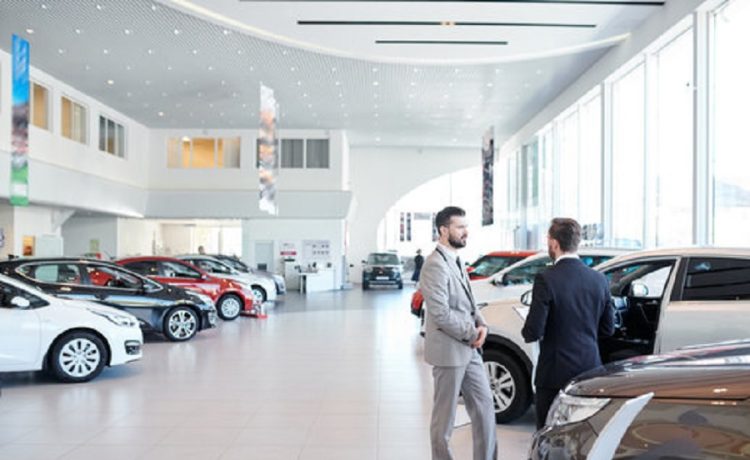
Walk into a dealership today, and you’ll find a far more sophisticated operation than your grandfather ever knew. The role of a car dealer encompasses a wide range of responsibilities, each tailored to meet the high expectations of the modern consumer.
-
Sales and Consultation
A good dealer is first and foremost an educator. Buyers arrive armed with research and reviews but often need guidance to navigate endless trim levels, financing options, and warranty packages. The best dealers listen first, matching customers with vehicles that suit their lifestyles rather than pushing for the biggest commission. -
Financing and Paperwork
Car buying is as much about financial savvy as mechanical reliability. Dealers today handle complex loan arrangements, trade-in appraisals, lease agreements, and insurance add-ons—streamlining a process that would overwhelm most buyers if left to their own devices. -
Service and Aftercare
Modern dealerships don’t just sell cars; they maintain them too. Service bays staffed by certified technicians ensure that a car remains reliable long after it leaves the lot. From warranty work to routine maintenance, these services build long-term loyalty. -
Digital Integration
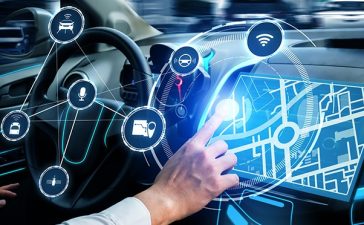
The contemporary dealer must embrace digital tools. Virtual showrooms, online financing calculators, remote test drive bookings, and real-time chat support have turned once-local businesses into hybrid operations capable of serving customers far beyond their postal codes.
Challenges in a Shifting Industry
Despite their pivotal role, car dealers face mounting challenges that demand constant reinvention.
-
The Rise of Direct-to-Consumer Models
Companies like Tesla have disrupted the traditional dealer network by selling directly to buyers, cutting out the middle layer. This model appeals to digital natives who crave transparency and efficiency but leaves traditional dealers rethinking how to add value that an online order form cannot. -
Changing Consumer Expectations
Today’s car buyers expect Amazon-like convenience—instant quotes, no-haggle pricing, and the option to complete an entire purchase from the comfort of their couch. To stay relevant, dealers must balance this digital ease with the irreplaceable human touch of personalized advice and local service. -
Supply Chain Disruptions
Recent years have shown how vulnerable the industry can be to global disruptions. Semiconductor shortages and logistical delays have forced dealers to navigate thin inventories while managing customer frustration—a delicate dance requiring honesty and patience.
How Dealers Are Adapting
Rather than resisting these changes, many forward-thinking dealers are embracing them, evolving into full-service mobility hubs that offer more than just a key exchange.
-
Embracing E-Commerce
Many dealers now provide complete online purchasing platforms. Buyers can browse inventory, arrange financing, and even schedule home delivery—all without stepping foot inside a showroom. -
Subscription and Sharing Models
Some dealerships have diversified their offerings with subscription services that let customers switch vehicles as needs change. These flexible models appeal to younger buyers less interested in ownership and more focused on experiences. -
Electrification Expertise
As EVs go mainstream, dealers are becoming crucial educators. They demystify charging infrastructure, explain battery warranties, and provide honest comparisons to traditional combustion models—reassuring hesitant buyers about this new technology. -
Enhanced Customer Experience
Many showrooms now resemble high-end lounges more than car lots, complete with cafes, kids’ play areas, and sleek digital kiosks. The goal is to make the car-buying experience enjoyable, not stressful.
Qualities of a Trusted Dealer
In a world flooded with information and choices, the best car dealers distinguish themselves through traits that technology alone cannot replicate.
-
Transparency: Clear pricing, straightforward trade-in values, and honest answers
-
Patience: A willingness to guide rather than push
-
Expertise: Deep knowledge of products and the ability to explain complex options simply
-
Aftercare: Commitment to service that extends well beyond the sale
-
Community Connection: Local engagement that builds trust and loyalty
The Human Touch in a Digital Age
Despite a future that feels increasingly virtual, people still crave the reassurance of a handshake, a test drive, and a friendly face to call when questions arise. Cars remain emotional purchases—a mix of practicality, desire, and dream. A good car dealer understands this subtle dance between the rational and the aspirational.
Looking Down the Road
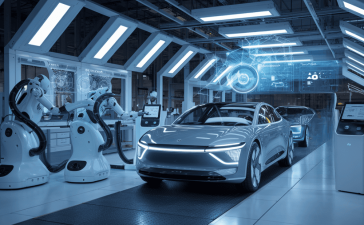
The next decade will test the agility of car dealers as they navigate autonomous vehicles, electrification, and an economy that questions whether ownership itself is even necessary. Yet their core mission remains unchanged: to help people move forward—safely, comfortably, and with confidence.
The showroom floor may be quieter, the paperwork may be digital, but the essence of a trusted car dealer—guidance, service, and community—will endure. In an industry defined by innovation, the best dealers know that while cars may change, the value of trust and human connection never goes out of style.
Conclusion: A Role Worth Celebrating
The next time you admire a shiny new car on the road, spare a thought for the dealer behind the wheel of that experience. Part consultant, part mechanic, part neighbor—they remain the unseen backbone of an industry always in motion. In the end, a car may get you from point A to point B, but a good dealer ensures you arrive there with peace of mind, a smile, and perhaps a new dream for the road ahead.