
Introduction: Beyond the Surface of Steel and Speed
When most people think of cars, they envision sleek exteriors, roaring engines, and open roads. Yet beneath the polished surface lies a symphony of components—auto parts that function in seamless harmony to deliver the driving experience we often take for granted. Whether you’re a weekend mechanic, an automotive enthusiast, or simply a curious driver, understanding auto parts offers not just insight into how your vehicle operates but also empowers you to make informed decisions on maintenance and repair.
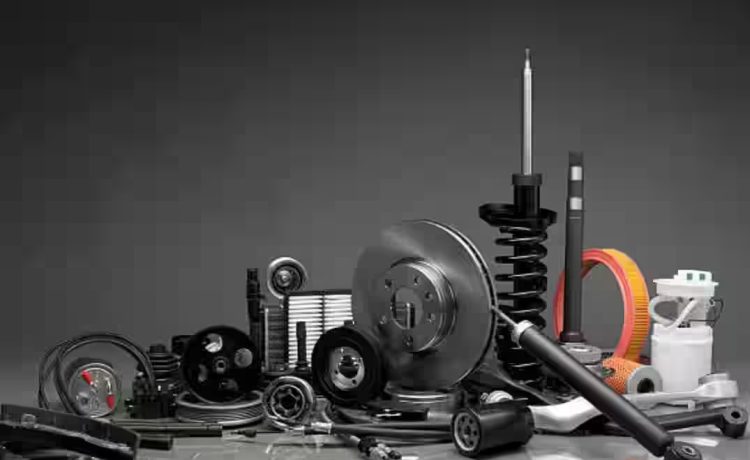
Auto parts are more than mechanical pieces; they are the lifeblood of your vehicle, responsible for performance, safety, and longevity. From the humble spark plug to the sophisticated engine control unit, each component plays a critical role.
The Anatomy of a Vehicle: Major Categories of Auto Parts
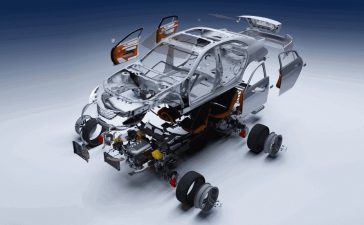
Every vehicle is a complex assembly of parts, each with a unique purpose. These components can be broadly categorized into a few major systems:
1. Powertrain Components
The powertrain is the heart of a vehicle’s performance.
-
Engine: Converts fuel into mechanical energy through combustion
-
Transmission: Transfers engine power to the wheels and adjusts torque
-
Driveshaft: Channels power from the transmission to the differential
-
Differential: Distributes power between wheels, allowing them to turn at different speeds
A well-maintained powertrain ensures not just performance, but fuel efficiency and lower emissions.
2. Suspension and Steering
This system keeps the vehicle stable, smooth, and responsive on the road.
-
Shocks and struts: Absorb road impact
-
Control arms: Maintain wheel alignment and motion
-
Steering rack and pinion: Directs wheel movement based on driver input
These components work together to offer handling precision and ride comfort.
3. Braking System
Arguably the most critical safety system.
-
Brake pads and rotors: Generate friction to slow down the vehicle
-
Brake calipers: Clamp the pads onto the rotors
-
Master cylinder and brake lines: Deliver hydraulic pressure
Regular inspection and timely replacement of brake parts are essential for road safety.
4. Electrical and Electronic Systems
Modern vehicles are deeply reliant on electronic components.
-
Battery and alternator: Provide and maintain electrical power
-
Sensors and control units: Monitor and adjust vehicle operations
-
Lighting systems: Ensure visibility and communication on the road
Electronics now govern everything from fuel injection to autonomous driving features.
OEM vs. Aftermarket: Understanding Your Choices
When it comes to replacing auto parts, the choice between OEM (Original Equipment Manufacturer) and aftermarket components can be daunting.
-
OEM Parts: Made by the vehicle’s manufacturer or an approved supplier. They match the original specifications and ensure consistent quality, but often come at a premium price.
-
Aftermarket Parts: Produced by third-party companies. They are typically more affordable and may offer enhanced performance or customization, but quality can vary.
Choosing between them depends on your priorities—whether you value manufacturer precision or cost-effective alternatives.
The Growing Role of Technology in Auto Parts
As vehicles evolve, so too do their parts. Today’s auto components are increasingly integrated with software, sensors, and smart technology. Here’s how innovation is reshaping the industry:
-
Telematics and diagnostics: Allow real-time vehicle health monitoring
-
Advanced driver-assistance systems (ADAS): Include parts like radar sensors, lidar, and cameras for lane keeping, adaptive cruise control, and collision prevention
-
Electric vehicle (EV) components: Batteries, inverters, and electric motors are replacing traditional combustion-based parts
The integration of AI and machine learning into vehicle systems is also leading to predictive maintenance and smarter component management.
Sustainability and Auto Parts: The Green Shift
Sustainability is no longer optional; it’s a necessity. The automotive industry is responding with environmentally responsible practices in parts manufacturing and recycling.
-
Recycled and remanufactured parts: Offer a lower carbon footprint and reduced waste
-
Eco-friendly materials: Bamboo fibers, biodegradable plastics, and sustainable metals are being used more frequently
-
EV part recyclability: Efforts are underway to recycle lithium-ion batteries and rare earth metals effectively
For the environmentally conscious driver, choosing green parts is both a responsible and increasingly accessible option.
The DIY Approach: Empowerment Through Knowledge
With access to online tutorials, repair manuals, and diagnostic tools, more vehicle owners are turning to DIY repairs. While some systems, such as engine rebuilding or transmission work, are best left to professionals, many maintenance tasks are well within reach:
-
Oil and filter changes
-
Brake pad replacement
-
Battery installation
-
Air filter swaps
-
Spark plug replacement
Learning to identify parts, understand their function, and perform basic maintenance not only saves money but builds a stronger relationship between owner and machine.
Conclusion: A World Worth Understanding
Auto parts are not just mechanical entities—they are the soul of every vehicle. Understanding them invites a deeper appreciation for automotive engineering and helps vehicle owners become more confident, informed, and proactive. Whether you’re navigating a complex repair, upgrading for performance, or simply changing a headlight, every part has a story—and a purpose.
In a world increasingly shaped by technology and sustainability, the future of auto parts looks smarter, greener, and more accessible than ever. So next time you turn the ignition, take a moment to consider the hundreds of silent components working in perfect concert to move you forward.