
A New Look at On-Course Refreshment Needs
Long rounds can wear players down fast, and the small gaps between holes often decide whether the day feels smooth or tiring. This guide steps in to show how a better refreshment setup can shift the whole rhythm of play. Instead of relying on slow routes or outdated carts, a cleaner, more efficient option changes how staff move, how players refuel, and how golf courses maintain energy across the course. Every point here focuses on real, simple improvements that help service feel quicker without turning the game into a rush.
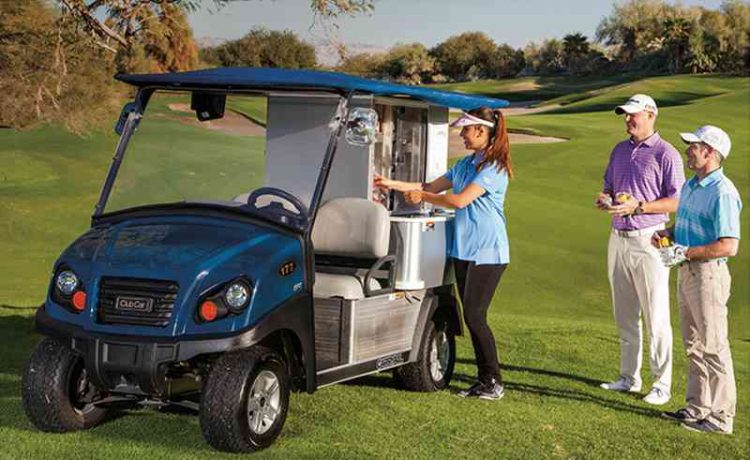
Service flow matters more than many expect. When staff can move across fairways with steady power and quiet motion, players get drinks and snacks without long waits. This is why some courses continue to refine their setups with an electric beverage cart for golf courses. This choice blends quiet operation, smooth control, and easy storage into a single mobile station. The guide ahead breaks down how these carts support better timing, reliable routes, and a more relaxed feel from the first hole to the last.
Each section gives simple checks, practical ideas, and clear points that help course managers understand why this type of cart reshapes service. The aim is to help readers choose options that match real needs and reduce delays that slow the flow of play.
How To Spot the Right Cart Design for Steady Course Movement
You need a cart that moves well across different sections of the course without shaking its load. A good design starts with wide tires and stable steering. If the cart wobbles on turns, drinks spill, and service slows. Look for balance from front to back, since uneven weight makes the ride rough. A strong frame matters too, because long routes create strain over time.
Smooth design helps staff reach players faster, even during busy hours. The cart must handle sharp corners near trees and narrow paths without forcing sudden stops. Good handling also reduces fatigue among staff who work multiple shifts. A cart built with a steady ground grip keeps both workers and players safer.
- Check for a strong frame build
- Look at wheel width for grip
- Test turning radius on tight spots
What To Review When Checking Power and Route Efficiency
Electric carts rely on battery output, so you want a setup that lasts a full shift. Longer battery life lets staff complete loops without rushing to recharge. This saves time and keeps service predictable. If the power flow stays steady, the cart moves smoothly even on mild inclines.
Route planning becomes easier when the battery gives a reliable range. Staff can cover long stretches without slowing down near the far holes. Quiet motors help too, since players do not want loud noise breaking focus. A stable power system supports clean movement and calmer rounds.
- Review battery run time
- Check charging speed
- Look for quiet motor output
Why Storage Layout Shapes Drink Service Quality
A beverage cart works best when the storage keeps drinks cold and easy to reach. Shelves should be at the right height so staff don’t have to stretch or twist awkwardly. If the cooler sits too low, it slows service. A bright cart layout gives each drink type a clear spot, reducing mix-ups.
The best layouts keep cold sections sealed tight so ice lasts longer. Dry storage must stay clean and separate from cold sections. A tidy setup helps staff hand out drinks quickly at busy times without fumbling. A good layout also prevents bottles from rolling during fast turns.
- Keep cold and dry storage apart
- Make sure shelves sit at a natural height
- Look for latches that stay firm on bumpy paths
How Daily Use Features Reduce Staff Tiredness and Wait Times
Simple features change how fast staff can work. A cart with easy-to-open doors, quick-grab cup holders, and broad step areas helps workers move with less strain. You want controls that make speed adjustments smooth, not jumpy. Steady movement protects drinks and improves timing at each stop.
Durable materials matter too. Staff handle the cart all day, so surfaces must stay clean with little effort. Strong panels and simple handles keep the cart in good shape through busy seasons. Features that reduce daily fuss let staff focus more on serving players and less on fighting the cart.
- Choose doors that open fast
- Pick materials that clean quickly
- Look for controls with smooth response
A Clear Path Toward Better Course Service
The ideas here focus on comfort, timing, and service flow, all key parts of a smooth golf day. Our goal is to help you find a cart setup that supports staff, keeps players refreshed, and reduces the slight delays that slow down the course. If you ever want a friendly nudge toward the right features or a more precise breakdown of options, we’re here to help you take that next step with confidence.