
Introduction: A Story of Wheels and Willpower
Since the first wheel was carved from stone, humankind’s relationship with vehicles has been one of relentless transformation. What began as primitive carts pulled by beasts of burden has evolved into a dazzling array of machines—cars, motorcycles, buses, trains, aircraft, and even autonomous drones. The word vehicle today carries a breadth of meaning that extends beyond transport; it represents freedom, innovation, connection, and an ever-shifting testament to our collective ambition to conquer distance. In this age of sustainability and smart technology, vehicles stand poised to reshape our lives once more—quietly, cleanly, and intelligently.
The Expanding Definition: What We Call a Vehicle
When people hear the word vehicle, their minds often leap to cars—sleek sedans, robust SUVs, or buzzing motorcycles weaving through urban streets. But the true scope is far more diverse and fascinating.
-
Personal Vehicles
-
Cars: From compact hatchbacks to luxury sedans, they remain the world’s most popular private transport option.
-
Motorcycles and Scooters: Particularly vital in crowded cities where agility and fuel efficiency matter most.
-
Bicycles and E-bikes: Experiencing a global renaissance as urban dwellers seek cleaner, healthier commutes.
-
-
Public and Commercial Transport
-
Buses and Coaches: Moving millions daily, they form the backbone of urban transit systems worldwide.
-
Trucks and Delivery Vans: The unsung heroes of commerce, ensuring goods reach every corner of our global economy.
-
Trains: From city metros to high-speed intercity marvels, trains blend efficiency with lower carbon footprints.
-
-
Air and Sea Vehicles
-
Aircraft: Whether a single-engine prop plane or a massive commercial airliner, flight remains a pinnacle of human mobility.
-
Ships and Ferries: Ocean freighters, tankers, and ferries keep continents linked through global trade and travel.
-
Innovation at Every Turn: Technology Behind Modern Vehicles
Vehicles today are far removed from the rudimentary machines of the past. Cutting-edge engineering and digital sophistication have turned them into smart, efficient, and increasingly autonomous extensions of ourselves.
-
Electrification:
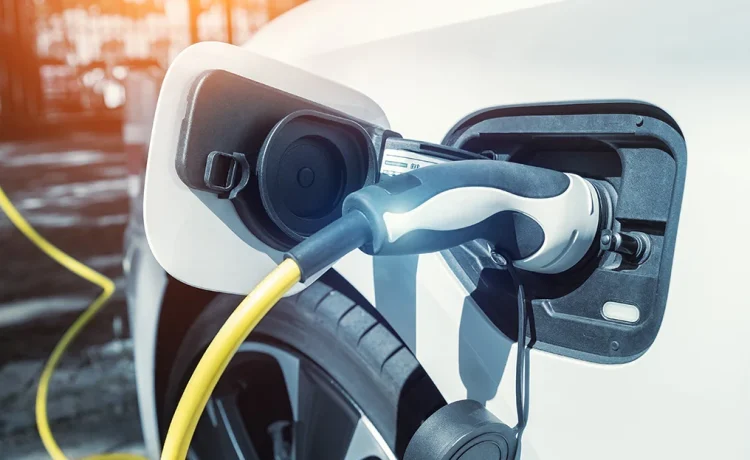
Electric vehicles (EVs) are no longer an eco-friendly niche—they are mainstream reality. With advanced batteries offering greater range and faster charging, the shift from combustion engines to clean electricity is gathering unstoppable momentum. -
Automation:
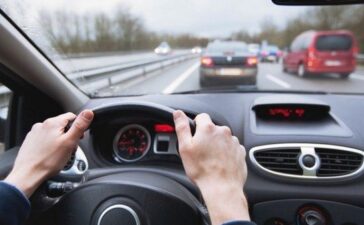
Self-driving technology has leapt from laboratory dreams to city streets. While fully autonomous cars are still being perfected, features like adaptive cruise control, automated lane keeping, and parking assistance have become common. -
Connectivity:
Modern vehicles are mobile data centers. Real-time navigation, vehicle-to-vehicle communication, and seamless integration with smart devices redefine how drivers interact with their cars. -
Sustainability and Materials:
Automakers are embracing lightweight composites, recycled metals, and sustainable supply chains to curb the environmental impact of vehicle production.
The Environmental Challenge: A New Way Forward
Few inventions have done more to connect humanity than vehicles—and few have contributed as significantly to climate change. Road transport accounts for nearly a fifth of global carbon emissions, making the path forward clear: adapt or be left behind.
-
Cleaner Energy Sources:
-
Electricity: Cleaner grids and renewable energy are powering the EV revolution.
-
Hydrogen Fuel Cells: A promising alternative for heavy-duty trucks and buses where battery limits remain a hurdle.
-
Biofuels and Synthetic Fuels: Keeping legacy engines alive while reducing their carbon footprint.
-
-
Shared and Micro-Mobility:
The rise of ride-sharing, car-pooling apps, and micro-mobility options like e-scooters helps cities cut congestion and pollution while giving people more flexible ways to move. -
Circular Economy:
Responsible manufacturing and recycling ensure that today’s vehicles do not become tomorrow’s waste. Carmakers are designing cars with end-of-life reuse in mind, from battery recycling to modular parts that can be remanufactured.
Why Vehicles Still Matter: Culture, Identity, and Connection
While we debate sustainability and technology, we must not forget the emotional gravity of vehicles. They are woven into our memories and aspirations—our first car, the family road trip, the motorcycle that signified youthful rebellion.
-
Status and Symbolism: A luxury sedan, an off-roading SUV, or a vintage sports car is as much about self-expression as utility.
-
Community and Passion: Classic car clubs, racing circuits, and motorcycle groups remind us that vehicles bind people through shared passion.
-
Freedom and Independence: For many, vehicles remain the ultimate tool of liberation—especially in regions where public transport is sparse.
Obstacles on the Road Ahead
The path forward is not without bumps. Vehicle makers and users face real challenges that demand creative solutions.
-
Infrastructure: EVs need a reliable web of charging stations. Public transit systems require constant investment to stay efficient and appealing.
-
Affordability: As technology advances, there’s a risk that cutting-edge vehicles remain beyond the reach of average consumers.
-
Urban Planning: Cities must rethink roads, parking, and public spaces to harmonize with new mobility patterns.
The Future of Vehicles: Trends That Will Shape Tomorrow
Several trends are gathering pace and will dictate how vehicles evolve in the coming decades.
-
Autonomous Fleets: Self-driving taxis and delivery drones could transform logistics and personal mobility alike.
-
Mobility as a Service (MaaS): Subscription-based vehicle access or pay-per-use models may replace traditional ownership.
-
Smart Cities: Vehicles will increasingly interact with smart traffic systems to ease congestion and improve safety.
-
Renewable Energy Integration: Solar panels, vehicle-to-grid systems, and battery storage will tie cars more closely to our energy ecosystem.
Conclusion: Wheels Keep Turning
Vehicles have always mirrored our greatest strengths and boldest dreams. They compress distances, open new horizons, and stand as symbols of human progress. Today, as technology and environmental responsibility pull us in new directions, vehicles remain at the heart of the journey—adapting, evolving, and reminding us that the freedom to move is one of the most powerful freedoms we possess.
As we steer toward a future of cleaner, smarter mobility, one truth endures: whether rolling on two wheels or cruising silently on four, our vehicles carry more than passengers and cargo. They carry our ambitions, our stories, and our promise to keep moving forward—no matter what lies ahead.