

Introduction: More Than Just Machines
From the humble bicycle to the sleek electric car and the roaring jet engine, vehicles are far more than mechanical contraptions designed to move us from one point to another. They are milestones of human ingenuity, reflections of cultural shifts, and catalysts of economic and social transformation. Each era has witnessed vehicles evolve alongside us, responding to our changing needs, ambitions, and, increasingly, our responsibilities toward the planet. To understand vehicles is to understand how far we have come—and where we are determined to go.
A Brief History: The Wheels That Changed the World
Long before the automobile reigned supreme, early civilizations devised simple carts and wagons pulled by animals to lighten their burdens. The Industrial Revolution then ignited a rapid succession of innovations: steam-powered locomotives, horse-drawn carriages replaced by motorized cars, and the Wright brothers’ historic flight that opened the skies to humankind.
In the twentieth century, vehicles became accessible symbols of personal freedom. Ford’s Model T put cars within reach of everyday families. Steam trains stitched vast continents together. Buses, trucks, and cargo ships made global trade not just possible but commonplace.
The Modern Landscape: An Array of Choices
Today, the word “vehicle” encompasses an astonishing array of forms and functions, each serving unique roles in our daily lives and the wider economy.
-
Personal Vehicles:
-
Cars: Sedans, hatchbacks, SUVs, and sports cars shape our urban and suburban landscapes.
-
Motorcycles and Scooters: Favored for agility and affordability, especially in densely populated cities.
-
Bicycles and E-bikes: A renaissance in two-wheeled travel is reshaping short-distance commuting and recreation.
-
-
Commercial and Industrial Vehicles:
-
Trucks and Vans: The lifeline of logistics, delivering goods across cities, states, and continents.
-
Buses: Crucial for mass transit, connecting millions to jobs, schools, and services.
-
Construction and Agricultural Machinery: Tractors, excavators, and harvesters power industries that sustain modern life.
-
-
Air, Sea, and Rail:
-
Aircraft: From short-haul jets to intercontinental airliners, air travel shrinks the globe.
-
Ships: Tankers, ferries, and container vessels form the backbone of global trade.
-
Trains: High-speed rail, metros, and freight trains keep people and goods moving efficiently over land.
-
Technology at the Wheel: How Innovation Shapes Vehicles
Modern vehicles are technological marvels, blending mechanical engineering with sophisticated electronics and software. Several key innovations define today’s transportation landscape.
-
Electrification:
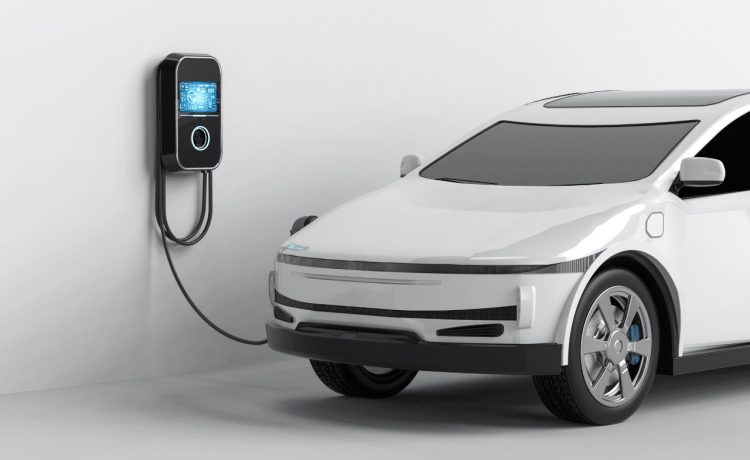
The global push for greener mobility has given rise to electric vehicles (EVs). Advances in battery technology, longer ranges, and expanding charging networks are convincing even the most skeptical drivers to make the switch. -
Automation:
Autonomous vehicles, once the stuff of science fiction, are inching closer to everyday reality. From semi-autonomous driver aids to fully self-driving prototypes, automation promises to reshape urban mobility, logistics, and road safety. -
Connectivity:
Vehicles now double as digital ecosystems. Infotainment systems, real-time navigation, remote diagnostics, and vehicle-to-vehicle (V2V) communication are transforming how we interact with our rides. -
Sustainability in Materials and Manufacturing:
Lightweight composites, recycled metals, and sustainable production practices are helping reduce the environmental footprint of building vehicles.
The Environmental Imperative: A Cleaner Road Ahead
While vehicles have empowered society, they have also contributed significantly to pollution and climate change. As the world faces an urgent climate crisis, the transportation sector is under intense scrutiny.
-
Alternative Fuels:
Biofuels, hydrogen fuel cells, and synthetic fuels offer promising alternatives to fossil fuels for sectors where electrification remains challenging, such as aviation and heavy trucking. -
Urban Mobility Shifts:
Cities worldwide are encouraging public transport, cycling, and pedestrian-friendly design. Micro-mobility solutions like e-scooters and bike-sharing schemes aim to reduce congestion and emissions. -
Circular Economy:
Automakers are investing in closed-loop manufacturing, remanufacturing parts, and recycling vehicles at the end of their lifespan to conserve resources.
Cultural Symbolism: Vehicles as Personal Statements
Beyond functionality, vehicles have long been entwined with identity and status. A classic muscle car, a rugged off-roader, or a sleek electric sedan says as much about its owner’s tastes and values as it does about practicality. Collectors and enthusiasts keep the legacy of iconic vehicles alive, restoring vintage models and celebrating automotive heritage at shows and rallies.
Challenges and Opportunities: Navigating the Next Decade
The future of vehicles is being forged at the intersection of technological promise and societal necessity. Several factors will shape this evolving landscape.
-
Infrastructure Development:
Charging networks, hydrogen stations, and smart road systems must grow in step with new vehicle technologies. -
Regulatory Changes:
Governments worldwide are tightening emission standards and incentivizing greener transportation options. -
Equity and Access:
As innovation races ahead, it is vital to ensure that clean, safe, and efficient vehicles remain accessible to all, not just a privileged few. -
Resilience:
The COVID-19 pandemic and recent supply chain disruptions have underscored the need for flexible, resilient transportation networks.
The Human Factor: Always in the Driver’s Seat
No matter how advanced vehicles become, the human element remains central. Even as autonomy and digital interfaces proliferate, people will continue to crave the visceral thrill of a well-tuned engine, the freedom of the open road, or the quiet joy of an early morning bike ride. Mobility is ultimately about connection—between places, people, and possibilities.
Conclusion: Moving Forward, Together
Vehicles have carried humanity through eras of discovery, expansion, and innovation. They have shaped cities, fueled economies, and opened horizons. Now, as we stand at a crossroads of sustainability and smart technology, the vehicles of tomorrow promise not just to move us but to do so more responsibly, more intelligently, and more harmoniously with the world we inhabit.
In the grand journey of progress, vehicles remain steadfast companions—forever evolving, forever carrying us forward to destinations yet imagined.